Getting to know your dog’s body language can help improve your relationship with them. You’ll start to see signs that they might be uncomfortable. Dogs use a variety of body language to show how they’re feeling. This includes posture, facial expressions, ears, eyes, tail, and overall movement. Learning dog body language can help you recognise when your pet feels comfortable, uncertain, or needs more space.
Having an understanding of your dog’s body language can help when they meet new people, other animals, visit the vet, or in situations where they feel scared. If your dog is relaxed, they will likely have relaxed body language to show that they’re happy to interact. If, however, they are feeling uncomfortable, they may try to turn away, move away, or show subtle signs to ask for space.
In this guide, we will look at 15 commonly seen signs of dog body language. We will also look at what different tail wags and facial expressions mean and how to react to your dog when they seem happy, nervous, scared, or stressed.
This dog body language guide explains common signals and how owners can respond calmly.
What is Dog Body Language?
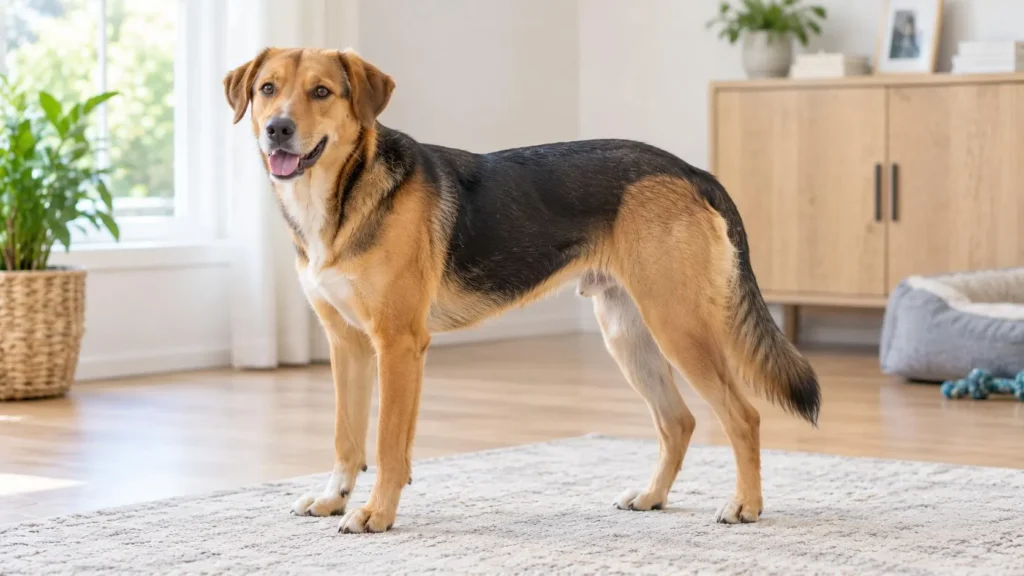
Dog body language is non-verbal cues that help show how your dog is feeling. This includes tail position, ear movement, eye contact, tension in the face, posture, and movement. Dog body language includes the small physical signals dogs use to communicate their emotions and reactions.
Unlike humans, dogs don’t always have a set meaning for certain actions. Tail wags don’t always mean they’re friendly. How fast the tail is wagging, how high it is, along with the dog’s overall body posture and what the situation is will affect this.
Understanding your dog’s body language is about seeing the whole picture. Every dog has their own unique way of communicating based on their personality, history, age, and physical wellbeing. To understand dog body language correctly, consider your dog’s normal behaviour and the situation around them.
According to the American Kennel Club’s Guide To Reading Dog Body Language, you should look at:
15 Common Signs Of Dog Body Language
These signs can help you understand your dog better. However, they’re just general signs. Each dog body language signal should be considered alongside other signs rather than interpreted on its own.
1. Relaxed Body
Your dog will usually have relaxed muscles, a natural posture, and relaxed movement. Their mouth may be slightly open, eyes may look soft, and the tail may be in a natural position. This is usually a sign that they’re feeling relaxed in this environment.
Look for multiple signs of relaxation. Generally a relaxed body and natural movement will give you more information than just their facial expression.
React: Let your dog decide if they want to interact.
Relaxed dog body language usually becomes clearer when you observe the eyes, mouth, muscles, and movement together.
2. Tail Wagging
Tail wags are some of the most misunderstood parts of dog body language. Whilst dogs often wag their tail when they’re excited or happy, they can also do this when they’re nervous, unsure, frustrated, or very alert. Dog body language can be misleading if you judge a wagging tail without checking the dog’s posture.
A relaxed tail with lots of movement can indicate they’re happy to interact. A stiff body along with a high, stiff tail and intense stare should make you think twice.
React: Don’t interact with unknown dogs just because their tail is moving. Give them space and see what their overall body language is like.
3. Tail tucked Between Legs
When your dog tucks their tail between their legs, they may be feeling scared, anxious, or uncomfortable. Their body may lower, their head may drop, their ears may flatten, and they may try to move away. This can indicate they need more space. Seeing these changes can help you avoid an uncomfortable situation.
React: Try to move away from whatever is scaring them. Don’t corner them.
4. Ears Flattened
Flattened ears can indicate your dog is feeling scared, stressed, unsure, or trying to appease. However, some breeds have naturally floppy ears or ears that hang. Consider:
Are they showing other signs such as lip licking, a low body, avoiding, or tense muscles?
React: Remain calm and let your dog decide if they want to move away.
Reading dog body language in context can help you notice when flattened ears appear with other signs of discomfort.
5. Ears Forward
Forward-facing ears can indicate your dog is paying attention, curious, or very alert. They could be watching something move, listening to a noise, or watching an animal.
However, if their body is stiff, they’re staring intensely, and their tail is stiff, this can indicate they’re very aroused.
React: Look at their whole body language. If they’re becoming tense or very focused, calmly create more space.
6. Soft Eyes
Soft eyes can indicate your dog is feeling relaxed. Their eyes will look relaxed, with relaxed muscles in their face. They may be looking around rather than intensely focused.
A relaxed face can be a good indication when they have relaxed body language.
React: If they seem relaxed, continue to interact gently. Let them decide if they want to move away.
7. Whale Eye (White Of Eyes Showing)
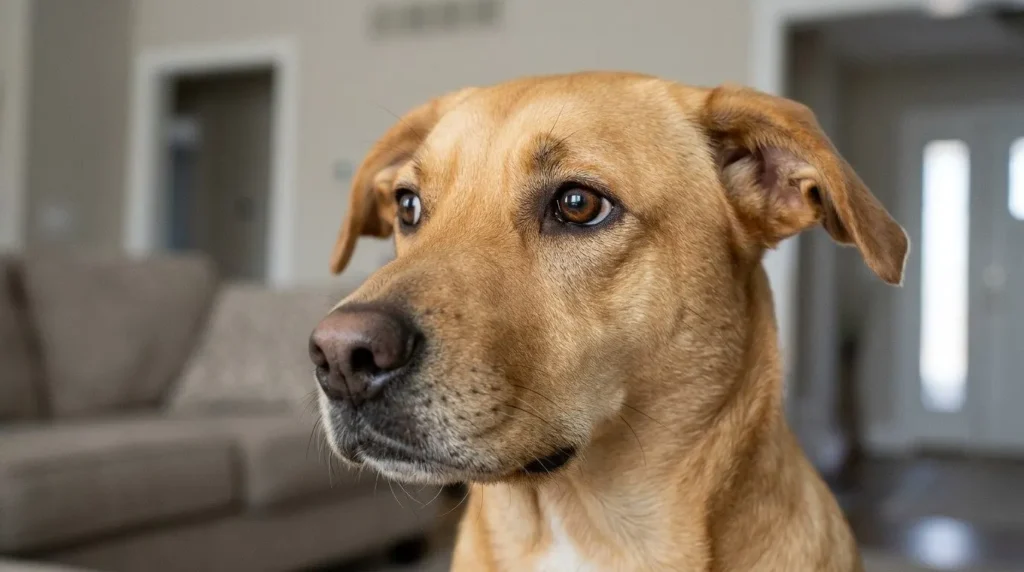
When your dog’s eye shows more white than usual, this is known as whale eye. This often happens when they turn their head but are still looking at something. This may indicate they’re feeling anxious, uncomfortable or tense. If their body is stiff, mouth closed and/or they’re trying to move away.
Whale eye doesn’t always mean they will bite but, is a sign to be cautious.
React: Stop whatever is making them uncomfortable. Give them space, especially if they’re defending something such as food, toys, or a resting area.
This type of dog body language is a reason to pause and give your dog room to move away.
8. Avoiding Eye Contact Or Looking Away
Dogs can look away or turn their head if they’re feeling unsure, want to avoid confrontation, or are uncomfortable. They may turn their head away if someone is leaning over them, hugging, or being too forward. Avoiding eye contact can be an important sign that they want less pressure.
React: Don’t try to reach out. Let them decide if they want to interact.
9. Lip Licking (No Food)
Sometimes a quick flick of the tongue or lip licking can indicate they’re feeling stressed or unsure. Especially if there’s no food. If your dog is constantly licking their lips whilst avoiding, lowering their head, or moving away, this can indicate they’re uncomfortable.
However, lip licking can also happen for normal reasons such as anticipating food or irritation.
React: Look for other signs they’re stressed. Reduce pressure. If they continue to lick their lips along with signs they’re unwell, in pain, or nauseous, then see a vet.
Lip licking is one example of dog body language that needs context before you decide what it means.
10. Yawning (Not Due To Sleepiness)
Dogs will often yawn when they’re tired. However, they can also do this when they’re uncomfortable or stressed. They may yawn constantly when being handled, in a busy environment, or being approached by someone they don’t know.
One yawn on its own won’t tell you much. Look for other signs such as a tense face, flattened ears, or avoiding.
React: Take a break. See if they relax with more space.
11. Crouching
A dog may be fearful or unsure if they crouch, lower their head, shift weight to the rear or try to appear smaller. Some dogs will also appear to move slowly or hesitantly if they come into contact with something new.
This is an important aspect of body language to note.
What to do: Avoid towering over them or reaching down suddenly. Create a clear path for them to move away from whatever they’re finding scary.
12. Play Bow

A play bow occurs when the dog lowers their front legs and chest but keeps the hind end raised. They may circle, wag their tail slowly, or bounce. They often want to play with you if they are in this position and they are moving slowly and playing.
This shouldn’t be taken as a stand-alone cue. Their overall body language and how the other animal is reacting will also affect this.
What to do: If both dogs seem happy, then allow them a suitable amount of play. If either dog becomes tense, tries to move away, or constantly wants to keep their distance, then interrupt them.
Playful dog body language should look loose and comfortable, but always watch how both dogs respond.
13. Raised Hackles
Raised hackles occur when the fur along the dog’s back and neck becomes raised. This is a reflex and can happen if the dog is excited, scared, surprised, or in any form of high arousal.
This doesn’t necessarily mean they are aggressive.
What to do: Look at their overall body language, facial expression, tail and behaviour. If they appear tense or very focused then try to increase the distance between you and them calmly.
14. Freezing
A dog who suddenly freezes could be analysing a situation; they are scared, protecting something, or are uncomfortable. This can be an important cue to note as it can be a sign they are about to show other signs of being scared. A dog who has gone rigid shouldn’t automatically be seen as calm.
This is an important cue to note from your dog’s body language. Especially around children, food, toys and new animals.
What to do: Don’t move towards them. Don’t reach for their collar or face. Give them space. If they are constantly freezing then seek professional help.
A sudden change in a dog body language can signal discomfort, so avoid moving closer to a dog that has frozen.
15. Growling, Baring Teeth and Snarling
Growling, baring teeth and snarling can be a sign the dog is uncomfortable, scared, wants to keep their distance, or a warning that they may act defensively. Never dismiss this behaviour even if they are small or familiar.
If you punish them for growling you are taking away their warning without addressing the problem. Try to work out why they are uncomfortable and manage the situation.
What to do: Stop the interaction. Be calm and do not make any sudden movements. Increase the distance between you and them. If this is a new behaviour, constant or difficult to manage then speak to a vet and a qualified reward-based behaviourist.
What Does Your Dog’s Tail Mean?
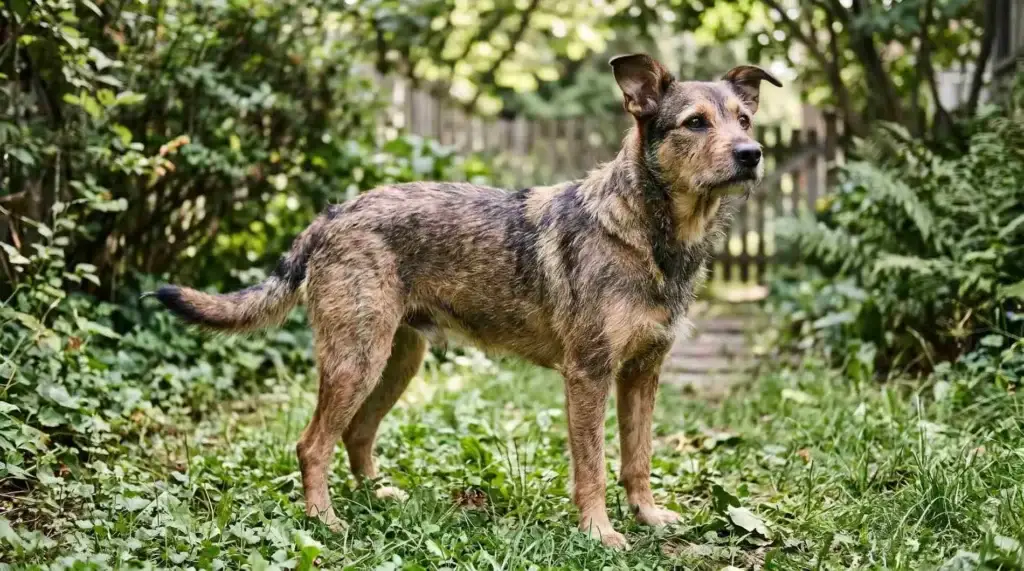
The tail is only one form of body language. Always look at their overall body language, including their facial expression and the situation.
| Tail signal | Possible meaning |
| Relaxed tail | They are relaxed or excited in a friendly way. |
| Tail tucked between legs | They are scared, anxious or uncomfortable. |
| Stiff high tail | They are alert, tense or highly aroused. |
| Low tail | They are unsure or scared. |
| Slow stiff wag | They are tense or unsure. It depends on the situation. |
Tail position is only one part of dog body language and should not be used alone to judge a dog’s mood.
Some dogs naturally have high tails, and others have curled, short, or very low tails. Rather than learning what each tail movement means, look at your dog’s natural body language
How To Tell If Your Dog Is Happy And Relaxed
A relaxed dog will often show many positive cues. Positive dog body language often includes loose muscles, natural movement, and the ability to move away freely.
Common signs include:
- Relaxed muscles and natural movements.
- Relaxed mouth and facial expression.
- Natural ear position.
- Moving comfortably around familiar people.
- Will go towards you, play or relax.
- Can switch off and move away when they want.
Understanding your dog’s body language will help you know if they are relaxed and when they may need help.
Not all happy dogs will have a wagging tail, open mouth, or be seeking attention. Each dog will have their own personality, breed characteristics, and situation affecting their behaviour.
Signs Your Dog May Be Scared Or Stressed
Your dog may show subtle or obvious signs that they are stressed. Recognising worried dog body language early may help you reduce pressure before your dog becomes more distressed.

These can include:
- Tail tucked between legs.
- Ears back.
- Licking lips or yawning constantly.
- Looking away.
- Shaking, pacing or panting with no obvious reason.
- Hiding, retreating or trying to get away.
- Freezing.
- Growling.
There isn’t one sign that will always mean they are scared. Panting can occur due to them being hot or exercising. Shaking can be due to medical reasons.
If they are constantly showing these signs then read our guide on what to do if your dog is scared. If the behaviour is sudden, severe or they are showing signs of pain or illness then contact a vet.
How To Understand Your Dog’s Body Language

Observing your dog and being patient will help you understand their body language. Try these tips.
The best way to interpret dog body language is to observe several signals and consider what happened just before them.
1. Overall Body Language
Look at their eyes, ears, mouth, tail, muscle tension and body language. The more consistent cues they show the more information you’ll have.
2. Situation
What has happened before this behaviour? Has someone approached them, have they had food taken away, a loud noise? Are they being touched in a sensitive area?
Knowing what has caused this behaviour can help.
3. Know Their Natural Behaviour
Observing your dog when they are relaxed, playing, eating, meeting familiar people and relaxing will help you identify changes in their behaviour.
4. Give Them Space
If your dog is looking away, moving away, freezing or showing multiple signs of discomfort then stop what you’re doing and give them space.
Never force them to let you pet them, hug them, handle them or interact with another animal.
5. Don’t Punish Or Force Them Near
Don’t punish them for being scared. If they are still showing signs of fear or anxiety then gradual positive training from a qualified professional may help.
Read more about understanding your dog’s body language from Dogs Trust. They explain common signs of worry and why it’s important to react appropriately.
Common Mistakes
- Even the most caring dog owners can misunderstand their pets. Avoid these common mistakes.
- One common mistake when reading dog body language is treating a single movement as a definite sign of happiness or aggression.
- Assume all wagging tails mean they’re happy. Tails can mean many things.
- Assume a still dog means they’re relaxed. They may be uncomfortable.
- Ignoring subtle cues. Looking away, licking lips and moving away can be early signs they’re uncomfortable.
- Punishing growling. This can be a warning. Try to address the situation.
- Forcing them to greet. Let them refuse to interact.
- Taking one cue. Being observant means looking at their overall body language, surroundings and natural behaviour.
When To Seek Professional Help

Understanding your dog’s body language can help you identify if something is wrong but won’t diagnose any medical or behavioural issues. Contact a vet if your dog suddenly changes their behaviour, seems to be in pain, is being extra shy, or is showing constant signs of shaking or panting without reason.
If they are constantly growling, snapping, freezing around people, protecting resources or showing extreme fear then contact a qualified reward-based dog behaviourist.
If your dog looks like they are going to bite, don’t push them. Keep children and other animals at a safe distance and seek professional help.
Final Thoughts
Understanding your dog’s body language can help you understand how comfortable they are, identify signs of stress, and create positive interactions. With practice, understanding dog body language can help you respond more thoughtfully and respect your dog’s need for space.
Look at their overall body language, situation, and respect cues that mean they want space. Never take a wagging tail, yawn or change in ear position as a stand-alone cue.
Being patient and using kind, consistent handling can improve your communication with your dog and strengthen your bond.
Does a wagging tail mean my dog is happy?
No. They may be excited, unsure, stressed or highly aroused. Look at the tail position and movement along with their facial expression and body language.
How do I know if my dog is scared?
A scared dog may tuck their tail, lower their body, flatten their ears, lick their lips, look away, shake, hide or try to get away. Not all dogs will show all these signs.
What does it mean if my dog is showing the whites of their eyes?
Showing the whites of their eyes (sometimes known as whale eye) can mean they're uncomfortable or anxious. Especially if they're stiff or avoiding. Look at the situation and give them space if they seem uncomfortable.
Why is my dog looking away?
Looking away can be a normal behaviour but can also mean they're unsure or want to reduce social pressure. Don't force eye contact and look for other cues.
Should I punish my dog for growling?
No. They may be uncomfortable or giving a warning. Stop the interaction and manage the cause of the behaviour. If it's constant then seek guidance from a qualified professional.
Can body language change as my dog gets older?
Yes. They may change their behaviour due to experience, ageing, pain, changes in their senses or illness. If they suddenly change behaviour or you can't see a reason then get them checked by a vet.
Can I learn body language by observing my dog?
Yes. Observing your dog in various situations will help you understand their natural behaviour. Combine this with reliable sources of education and professional help if required.