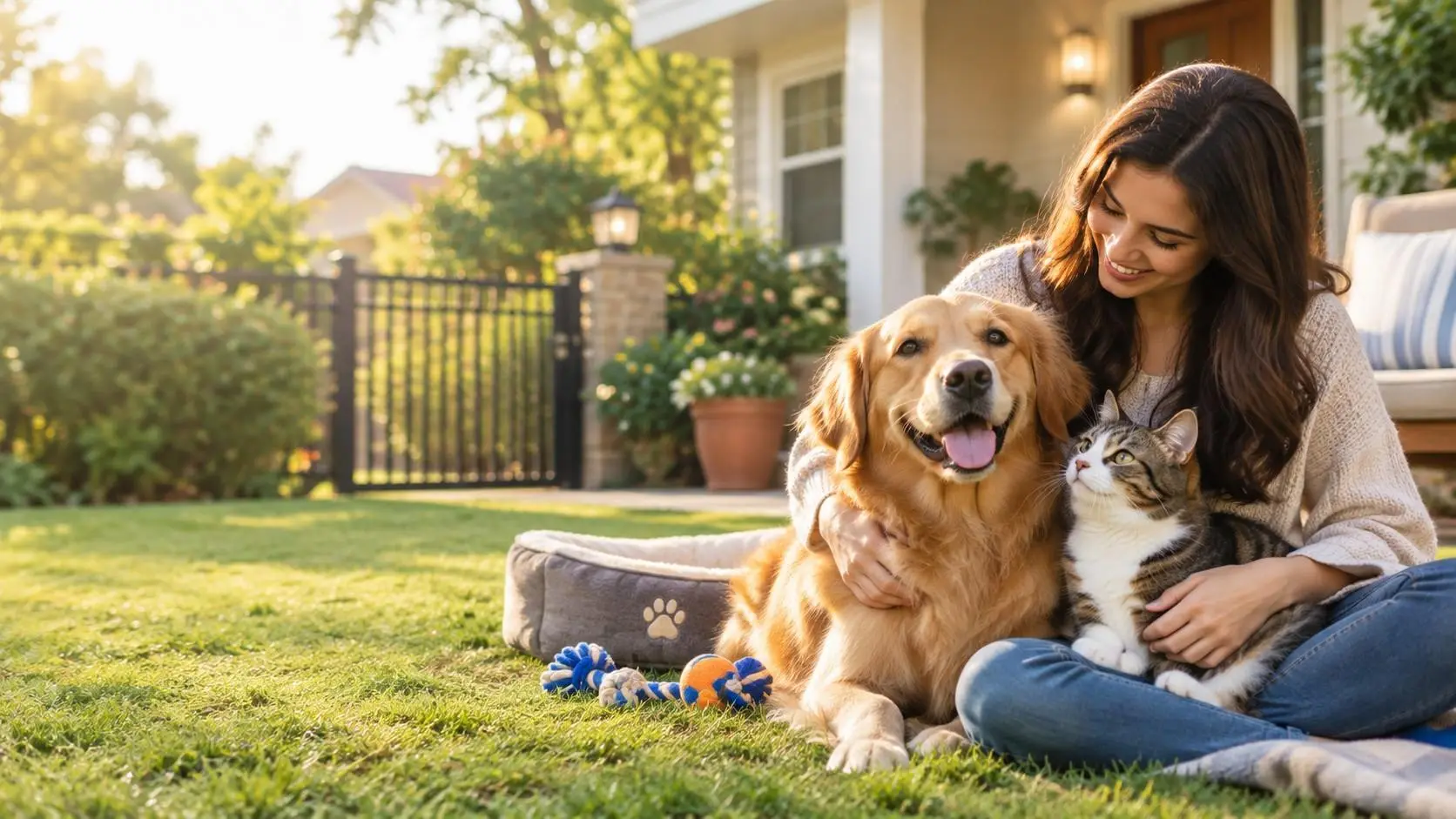
Nothing is quite like having a pet that comes running to welcome you, snuggles up close by your side, or simply wants to be in the same room as you. For many pet enthusiasts, these animals become part of the family. That is why it can be a cause for concern when a pet repeatedly tries to go outside, slips out through an open door, jumps over a fence, or suddenly goes missing.
Why Do Pets Leave Home?
There is nothing quite like the feeling of a loyal companion running up to greet you, curling up next to you or simply wanting to be in the same room. For many pet lovers, animals are considered to be part of the family. So it can be distressing when their companion keeps running, slipping, sneaking, digging or disappearing to get to the nearest opening.
So, why are pets leaving home?
The answer is rarely that they would rather not be with their owner. In many cases, animals are displaying curiosity, instincts, boredom, fear, or stress. And pet separation anxiety can also be a factor. Understanding pet escape behavior is the first step in creating a pet house that keeps animals secure and safe while providing the stimulation they want.
It can also help with choosing a pet – some animals are more likely to want to stay in their home range, while others are quite happy to venture out. The right animal, in combination with the right environment should ease an animal’s escape behaviors.
What Makes Pets Want to Leave Home?
Before jumping to the conclusion that your pet simply wants to be elsewhere, it is important to understand the environment and what is happening around them. Pets often react to their surroundings differently then humans would.
A dog sniffing out a new scent trail, a cat staring fixedly at a bird outside a window, or a rabbit suddenly fleeing the room after hearing a strange noise are simply displaying animal instincts.
Here are some of the most common reasons behind pet escape behavior.
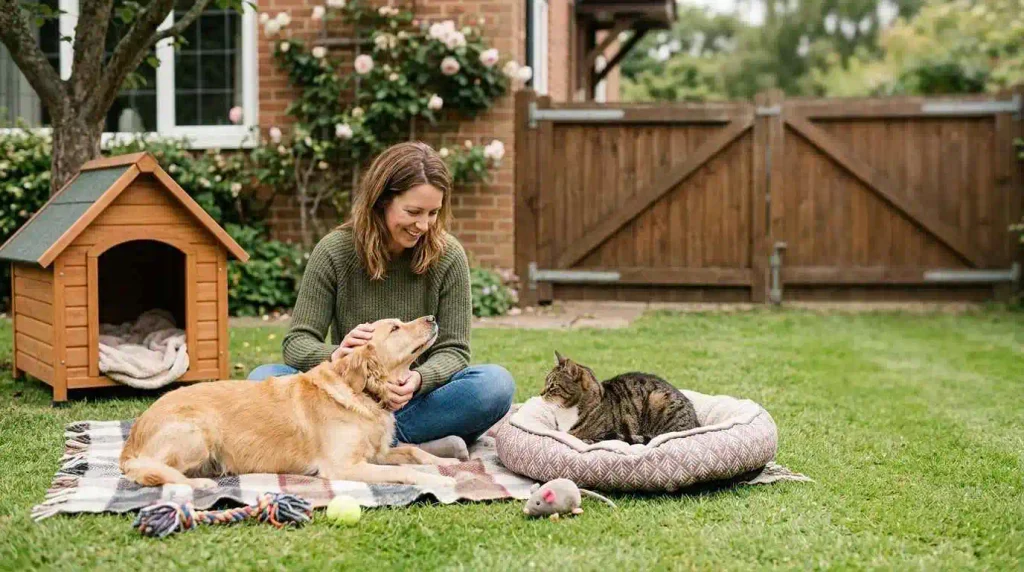
1. Curiosity and Natural Instinct
Many animals – particularly those who are naturally inquisitive – can be prone to leave their comfort zone to follow a scent, a noise, or to investigate unfamiliar surroundings. An animal can be completely devoted to their person and still want to investigate. This is why a pet house should be created with secure fencing, gates, windows and enclosures.
2. Boredom and Lack of Stimulation
Pets need more then a bed, water and food. They also need stimulation and stimulation can come in many different forms. A dog digging under the fence, a cat staring at the front door, a small pet destroying their enclosure all might be exhibiting boredom.
If pets do not have stimulation they are likely to bring it upon themselves. Regular play, training, exercise and exploration can help to change an animals’ environment making it less predictable and more exciting. Pet houses should not merely aim to keep animals in, but also provide the enrichment for them to want to stay.
3. Fear and Sudden Environmental Changes
Sometimes a pets attempt to escape is actually a response to a threat. Thunderstorms, fireworks, construction work, new people in the house, unfamiliar animals and sudden changes can all be frightening to pets. A pet can actually try to run towards what is frightening them in an attempt to find somewhere safer. This is more likely to happen to naturally shy animals. Providing safe places to hide as well as ensuring doors and gates are secure can help.
4. Pet Separation Anxiety
Another common behavior behind pets running away is pet separation anxiety. Separation anxiety commonly happens when an animal becomes distressed when being separated from a person or people they have bonded with. A dog with separation-related problems may bark and whine, scratch at doors, chew things up or try to escape when left alone.
This type of behavior can often be mistaken for disobedience, but the root cause is often fear or anxiety. Other companion animals can also exhibit separation anxiety, though symptoms may vary between species. Having a predictable routine while ensuring animals are given adequate stimulation can help to reduce separation-related problems.
If the behavior continues it is best to consult with a trained Veterinary or Animal Behavior Specialist
The Role of Animal Bonding With Owners
One of the best parts about having a pet is being able to develop this special bond with your companion. Animal bonding with owners develops through positive reinforcement. Feeding, grooming, playing, training, walking and even simply talking to their person can help an animal to develop trust and a positive association with their owner.
This is especially common in dogs who are pack animals and often want to stick close to their ‘pack leader’. Cats also enjoy bonding, though they tend to be a bit more choosy about how they show it. Rabbits, guinea pigs and birds can all learn to associate humans with positive things like food and playtime. A strong bond does not mean an animal will never want to escape, but trust and familiarity can help to reduce this.
What Are the Best Pet House Animals for a Loyal Companion?
While no pet can be 100% guaranteed not to run away, some animals are more loyal companions then others. Each animal has a unique personality and individual needs which are impacted by factors such as age, genetics, socialization, environment, training and previous experiences.
However, certain types of companion animals are generally considered to have more loyalty.
Dogs
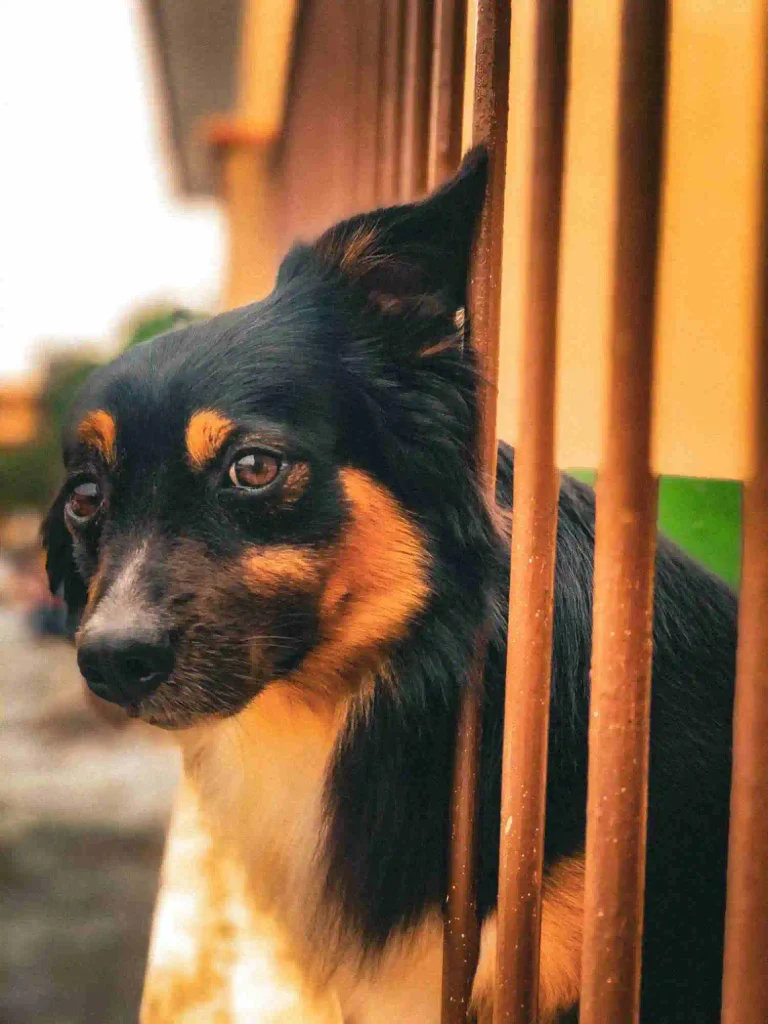
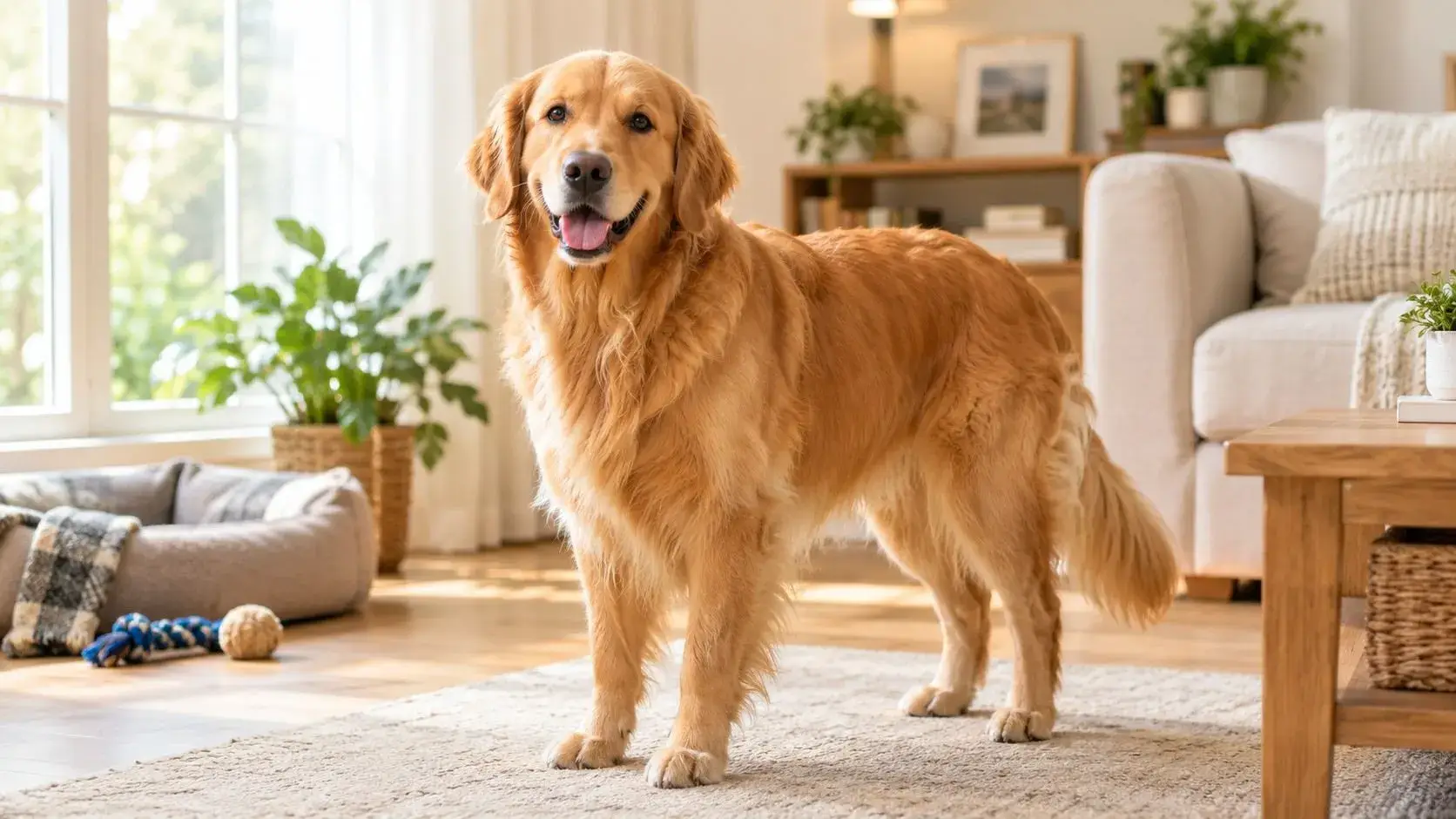
Dogs are known to be one of the most loyal companion animals. While every dog is unique, many are social creatures who like to stick close to their humans. They may follow you around the house, gather around the front door when you arrive home, or simply want to spend more time with their favorite person.
This social nature should be taken into account when designing a secure pet house and environment for your dog. A proper dog house should have reliable fencing, gates, identification tags, exercise and mental stimulation while basic training can help to reinforce recall.
Cats
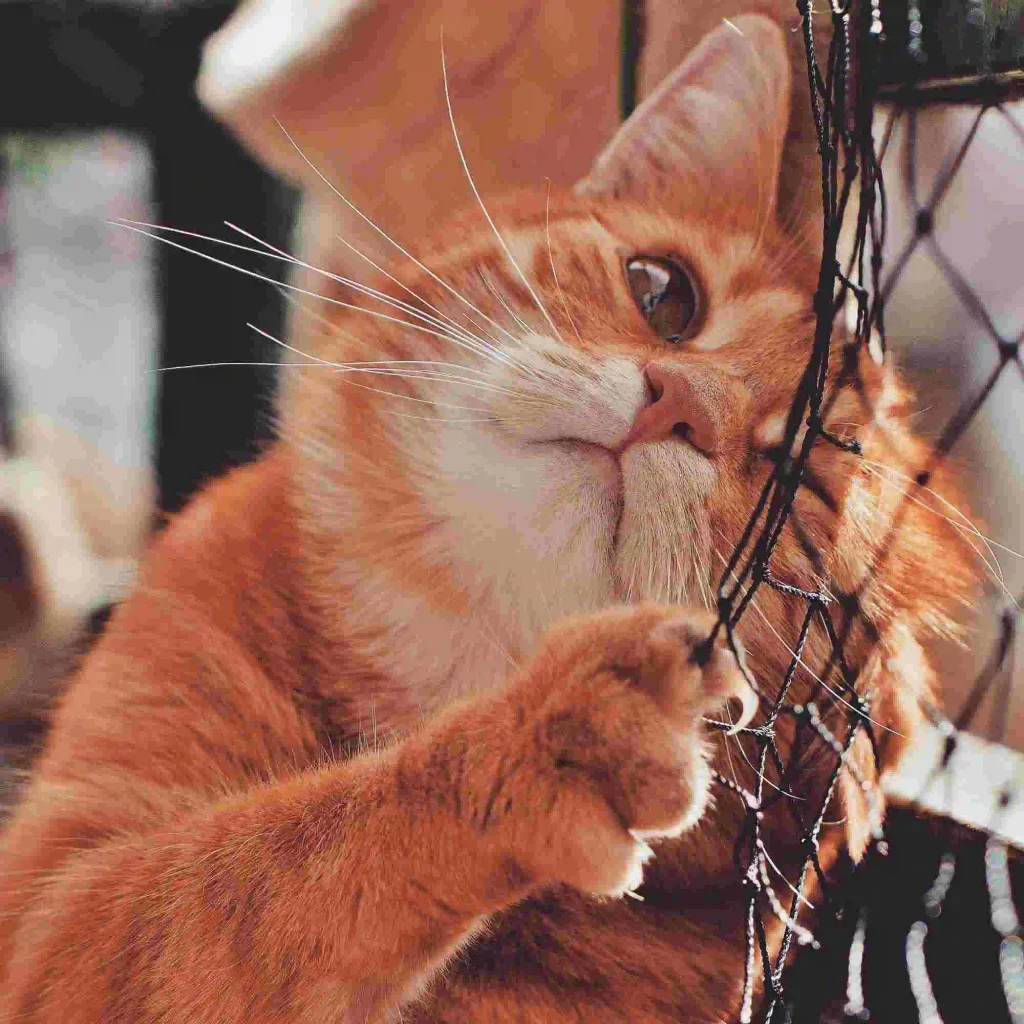
Cats strike a happy medium between independent and social. While some are quite happy to curl up on your lap and spend most of their time indoors, other cats are natural explorers who would rather be outdoors. Indoor cats can be very happy as long as they have the right kind of stimulation, such as scratching posts, climbing furniture, interactive toys, perches and hiding places.
A cat’s environment does not need to be huge – simply providing the cat with the opportunity to climb, scratch, hide, play and observe its surroundings is often enough to keep them stimulated and happy. If you want your cat to have the benefit of both indoor and outdoor living without the worry of them sneaking out unnoticed, a secure catio can be a great solution.
Rabbits
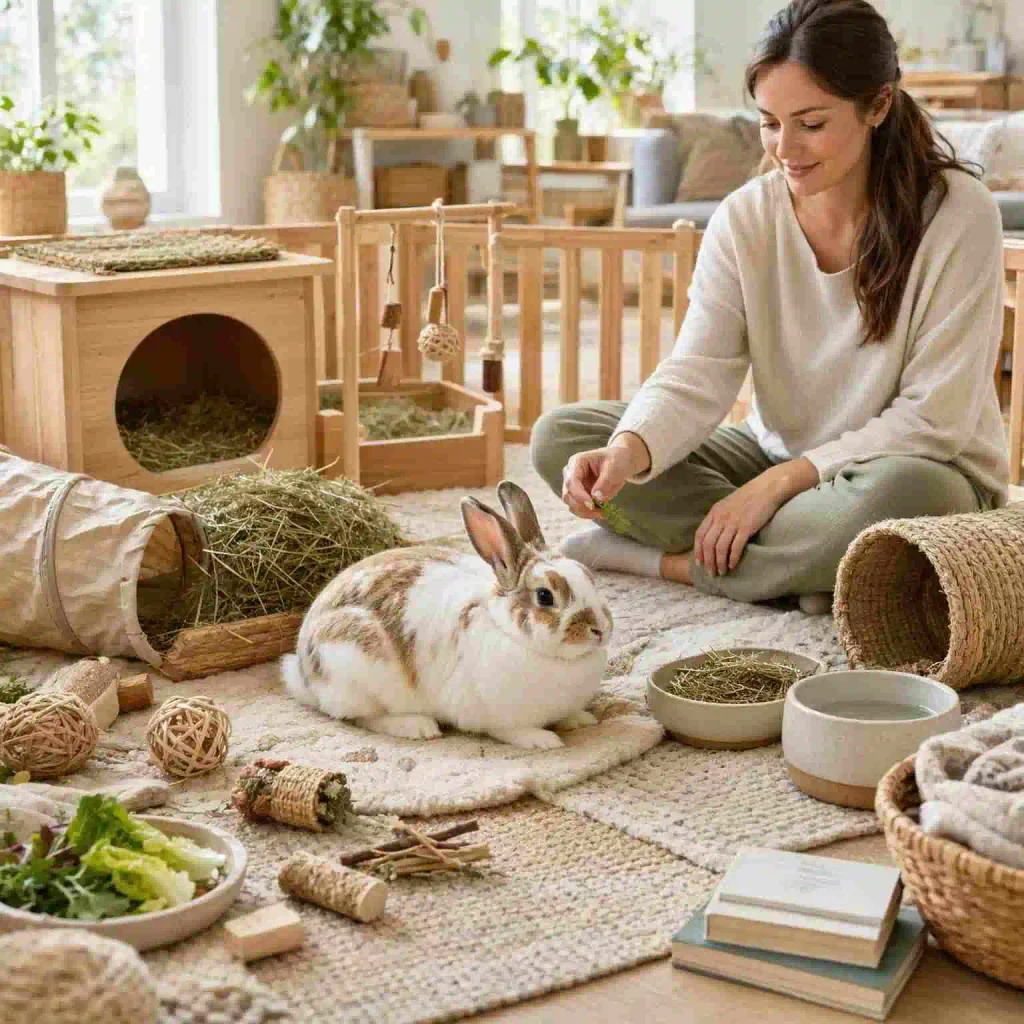
Rabbits make wonderful pets who can be very affectionate and enjoy spending time with their owners. However, because they are prey animals they can easily become frightened and may flee when they sense danger.
Rabbits need a secure enclosure, plenty of exercise space, hiding places, chew toys, and supervision. A proper rabbit house should allow them to stretch out and move freely, rather then being confined to a small space.
Guinea Pigs
Small pets such as guinea pigs are very rewarding pets. They can learn to be quite social, responsive and affectionate. However, guinea pigs need to know their human and can be unsettled by sudden changes or unfamiliar people and pets.
Guinea pigs are also naturally timid and can become stressed very easily. A secure enclosure free from dangers, along with hiding spaces and enrichment can help to make them feel more confident.

Birds

Many companion birds can actually be incredibly loyal pets who enjoy spending time with their owners.
However, it is important to remember that birds are intelligent creatures who thrive on stimulation and interaction. An open window or door can be all it takes for a bird to fly out and potentially become lost.
How to Create a Pet House That Your Animal Loves
Choosing a pet is only half the battle. The environment you provide also has a large impact on an animal’s comfort and happiness. A good pet house should have the following things: Safety, Comfort, Stimulation, and a predictable routine.
Make Safety a Priority
Check doors, windows, enclosures, gates, cages and other potential exits to ensure they are secure. Make sure there are no small gaps or weaknesses that can be squeezed through, pushed open or chewed through. Pets can be surprisingly intelligent and resourceful when it comes to finding an escape.
Providing Mental Stimulation
Animals need something to do. Rotate toys rather then leaving them all out at once, provide food puzzles where possible and practice simple training exercises. The aim is to make the home interesting enough so that the animal does not feel the need to seek stimulation somewhere else.
Creating a Predictable Routine
Many animals prefer a predictable routine which includes regular meals, exercise, playtime, training and rest. A consistent, safe and predictable environment will make an animal feel more comfortable and can reduce stress, particularly in nervous pets or birds.
Every animal requires a safe, comfortable space to call home.
For a dog this can be a bed or a crate, for a cat it might be a bed or a shelf and for small pets it can include things such as hiding spaces and chew toys. Making sure an animal has a safe ‘place’ to retreat to when they feel unsafe or threatened is an important part of a pet house design.
How Can You Reduce Pet Escape Behavior?
It is very rare for pets to stop trying to escape entirely, but there are a number of things an owner can do to help reduce pet escape behavior. Keeping doors and gates closed, repairing damaged fencing, supervising outdoor time, providing enough stimulation and exercise, and ensuring identification such as a microchip or ID tag can all play a role. It is also important to pay attention to behavior changes.
Why do you think your pet started trying to escape?
If an animal that used to be quite calm suddenly begins exhibiting escape behavior, it can be a sign of stress, fear, boredom, a sudden change in environment, or even a medical issue. Instead of focusing on stopping escape behaviors, try to understand why they are happening in the first place. This can lead to a more effective long-term solution.
Do Loyal Pets Ever Want to Leave?
Yes. Even loyal pets who love their owners can display natural instincts and tendencies. Dogs will sometimes chase scents, cats often stare at things that interest them, rabbits can be spooked and birds can fly towards an open window. It is normal for pets to display natural instincts and tendencies and it is not a sign that their loyalty to their person has decreased. This is an important point for pet lovers.
The aim should not be to stop natural pet behaviors, but to provide a safe, secure and stimulating environment where those instincts can be satisfied without putting them at risk.
Final Thoughts
So why do pets leave home?
There are many possible reasons including curiosity, instincts, boredom, fear, environmental changes and pet separation anxiety. The good news is that with an understanding of these behaviors it is much easier to address them and create a pet house that makes your animal companion happy and secure.
The combination of a secure environment, stimulation and a predictable routine along with animal bonding with owners will make pets feel secure in their home. Loyal pets are wonderful, but it is up to the owner to provide the right environment to keep them safely at home.
Frequently Asked Questions
How can I stop my pet from escaping?
Use secure doors, windows, fences, enclosures, gates and other potential exits. Provide enough stimulation and exercise and pay attention to changing behaviors.
What is pet separation anxiety?
Pet separation anxiety is a stress response that can occur when an animal becomes distressed after being separated from a person or people they have bonded with.
Which pets are most loyal to their owners?
Dogs are known to be the most social companion animals but cats, rabbits, guinea pigs, birds and other pets can all learn to be loyal companions.
Is a pet house important for animals?
Yes, A proper pet house can provide safety, comfort, stimulation and a predictable routine for animals.
Can cats live happily indoors?
Yes, Many cats are content living exclusively indoors as long as they have a stimulating environment.
How does animal bonding with owners develop?
Animal bonding with owners develops through positive reinforcement, such as feeding, playful interaction, training, grooming and socialization.

3 thoughts on “Pet House: 7 Surprising Reasons Pets Leave Home & How to Keep Them Safe and Loyal”