
If you are a sucker for silky fur, furry tails and can’t get enough of dogs that seem straight out of a fairy tale, you’ll find a lot of breeds to fall for. But selecting a dog isn’t only about looks. Various coats can involve radically different grooming, shedding, exercise, and care requirements.
From the smallest lap dog to the bigest working dog, this guide will help you find the puppy for you! Fluffy dog breeds are a real joy to own and are guaranteed to make your friends smile! You will also discover some interesting dogs facts on shedding, grooming, coat types, family life, living in an apartment and hot weather care.
What Makes a Dog Fluffy?
“Fluffy” is not a scientific term or breed designation. It is used as a descriptor for dogs that have overtly full, soft, long, heavy or abundant coats that are feathersome.
The outer coat of some dogs is so long that they may have a fluffy appearance due to a thick undercoat under a protective outer coat. This distinction is important because coat structure affects brushing, shedding, bathing, drying, and seasonal coat changes.
For instance, a dog can be quite fluffy but not require the same grooming as a different breed that has similar fuzzy looks.
That’s the reason why coat type is one of the top tips for dog research.
For fluffy dog breeds, check out these:
- Coat length
- Coat density
- Shedding level
- Brushing requirements
- Professional grooming needs
- Exercise requirements
- Energy level
- Temperament
- Home environment
- Climate
Grooming is sometimes extremely entertaining because of a gorgeous coat, but it can also turn into a time-consuming project.
Fluffy Dog Breeds at a Glance Table
| Breed | Size | Shedding | Grooming | Energy |
| Samoyed | Large | High | High | High |
| Siberian Husky | Medium/Large | High | Medium | High |
| Alaskan Malamute | Large | High | High | High |
| Chow Chow | Medium/Large | High | High | Medium |
| Old English Sheepdog | Large | High | High | Medium/High |
| Bernese Mountain Dog | Large | High | Medium/High | Medium |
| Newfoundland Dog | Giant | High | High | Medium |
| Great Pyrenees | Large | High | High | Medium |
| Rough Collie | Medium/Large | Medium/High | Medium/High | Medium/High |
| Australian Shepherd | Medium | Medium/High | Medium | High |
| Shetland Sheepdog | Small/Medium | High | Medium/High | High |
| Pomeranian | Small | High | Medium/High | Medium |
| Shih Tzu | Small | Low/Medium | High | Low/Medium |
| Bichon Frise | Small | Low | High | Medium |
| Havanese | Small | Low/Medium | High | Medium |
| Lhasa Apso | Small | Low/Medium | High | Medium |
| Maltese | Small | Low | High | Low/Medium |
| Papillon | Small | Medium | Medium | High |
| Tibetan Terrier | Small/Medium | Low/Medium | High | Medium |
| Keeshond | Medium | High | Medium/High | Medium |
| American Eskimo Dog | Small/Medium | High | Medium/High | High |
| Coton de Tulear | Small | Low/Medium | High | Medium |
These categories provide practical guidance rather than hard-and-fast rules. Individual dogs can vary in terms of coat type, temperament, activity level, and tolerance for grooming.
22 Fluffy Dog Breeds to Know
1. Samoyed
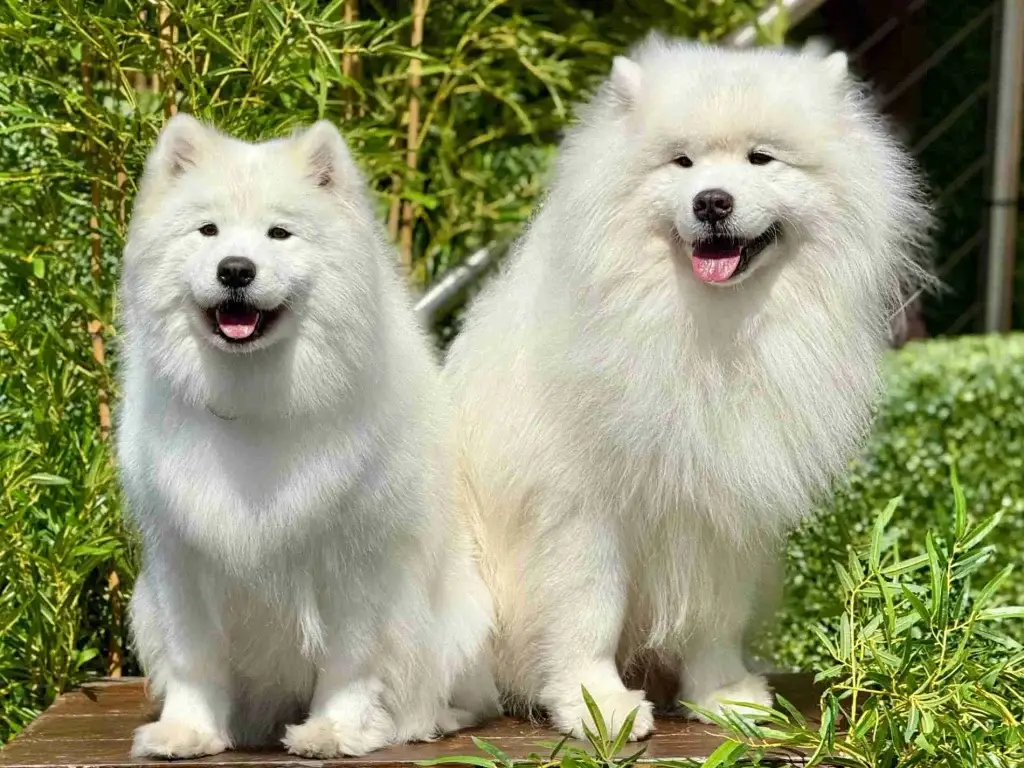
The Samoyed is perhaps the most recognizable of the fluffy dog breeds, with a white, fluffy coat and curled tail. Samoyeds are energetic, affectionate, social, and often require a lot of mental and physical activity. Because of the coat, they shed in great quantities. They shed seasonally in addition to being an almost constant shedder.
2. Siberian Husky
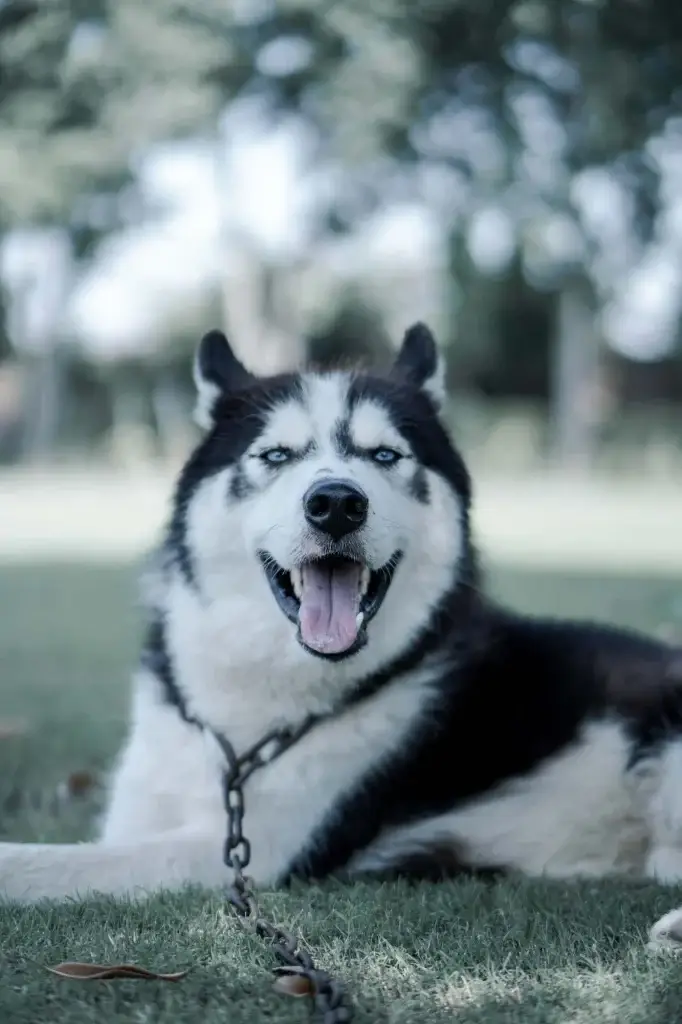
The Siberian Husky has a dense double coat that protects in harsh environments. Huskies are hardy, energetic, and have an independent personality.
Their high activity levels make them a great option for sporty families, but they should not be underestimated when it comes to exercising and training needs. Make sure you brush them regularly during heavy shedding.
3. Alaskan Malamute
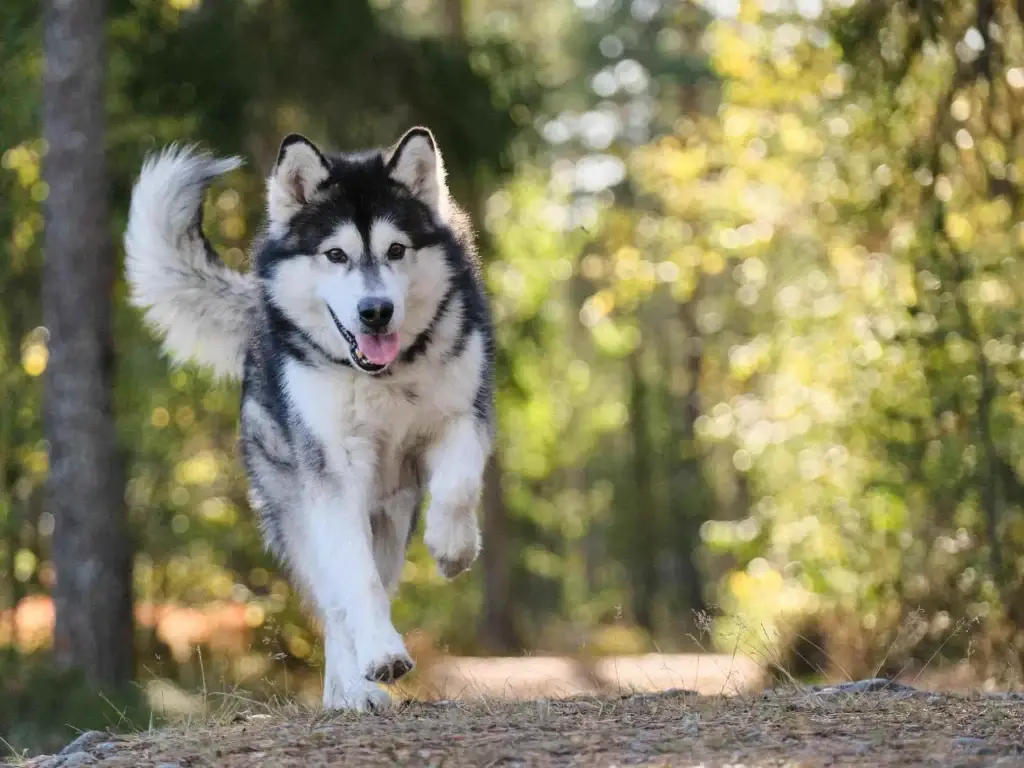
The Alaskan Malamute is a large, powerful working dog with a thick coat and an imposing appearance. Activity and exercise needs are likely to be fairly high in this breed. Secondly, its heavy coat will require a fair amount of grooming. An owner needs to be prepared to have loose hair everywhere and to have to brush his dog frequently.
4. Chow
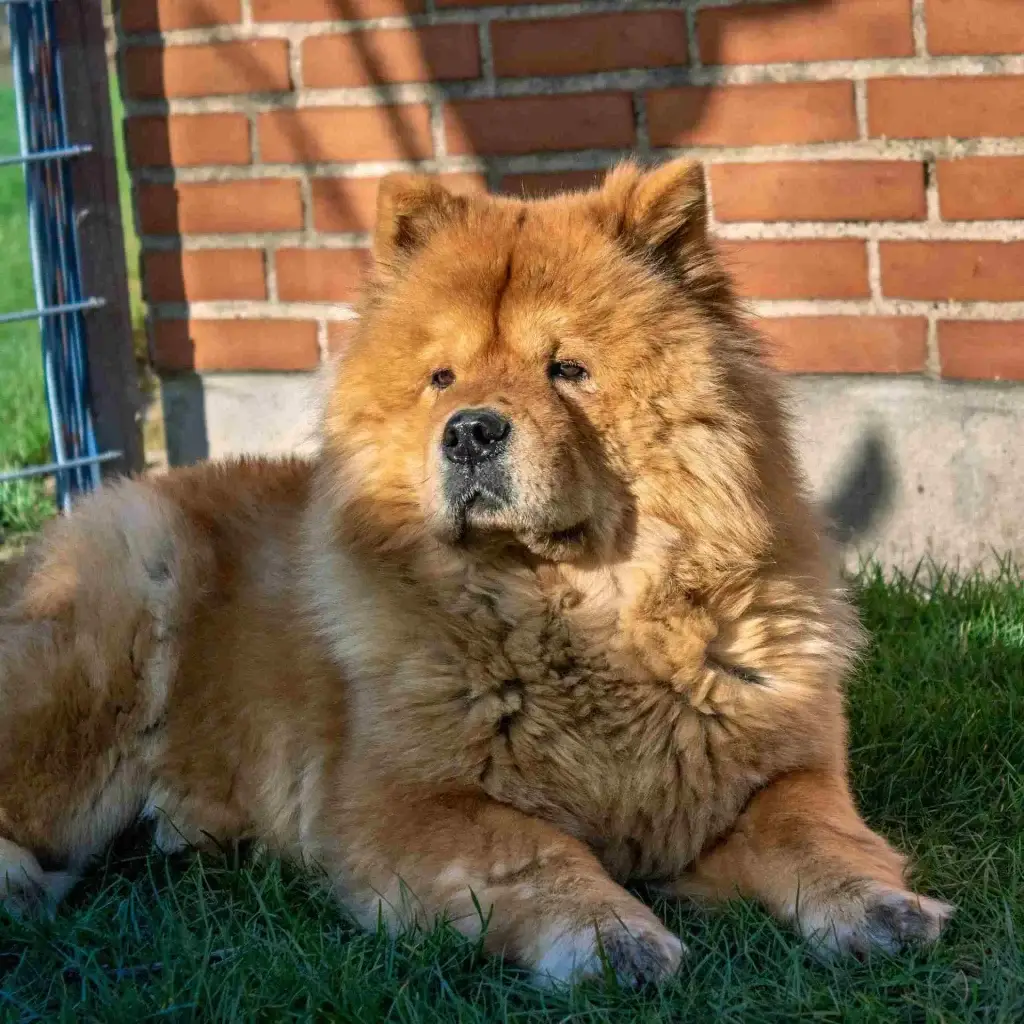
What is the Chow Coat Like? The full coat of this breed has a Teddy-bear appearance. The breed has a reputation for being independent and aloof. Socialization and training are essential from an early age. Tangles and areas of neglect can build up if the coat is not maintained properly.
5. Old English Sheepdog
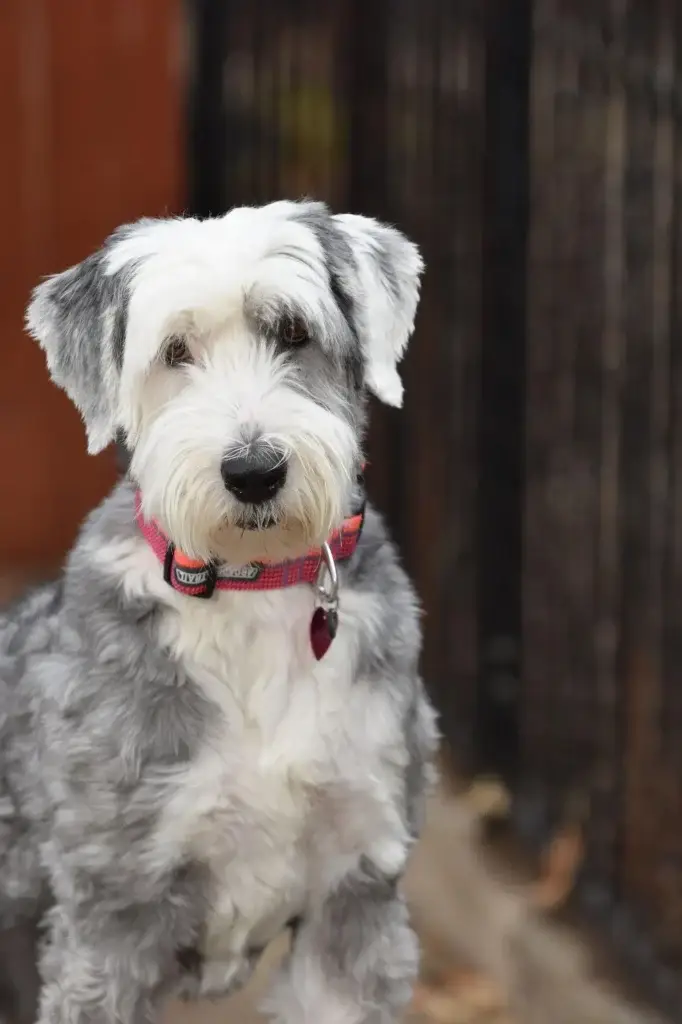
The Old English Sheepdog is characterized by its thick coat and look. This breed is larger and requires more grooming and maintenance. The coat may also mask skin issues, mats, dirt and debris, so an owner has to establish a regular grooming routine rather than brushing just when the dog appears to need it.
6. Bernese Mountain Dog
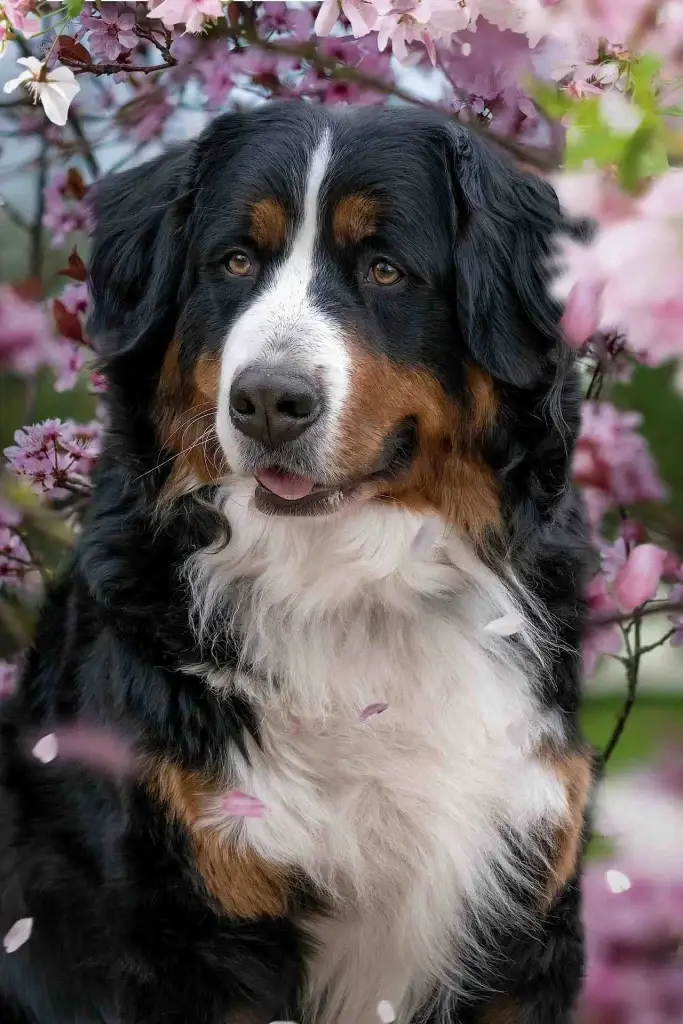
The Bernese Mountain Dog is a large dog with a pretty, fairly long coat. They are commonly thought of as cuddly family dogs, but each Bernese Mountain Dog has his own personality. Size, exercise requirements, coat maintenance, and living needs should all be taken into account.
7. Newfoundland
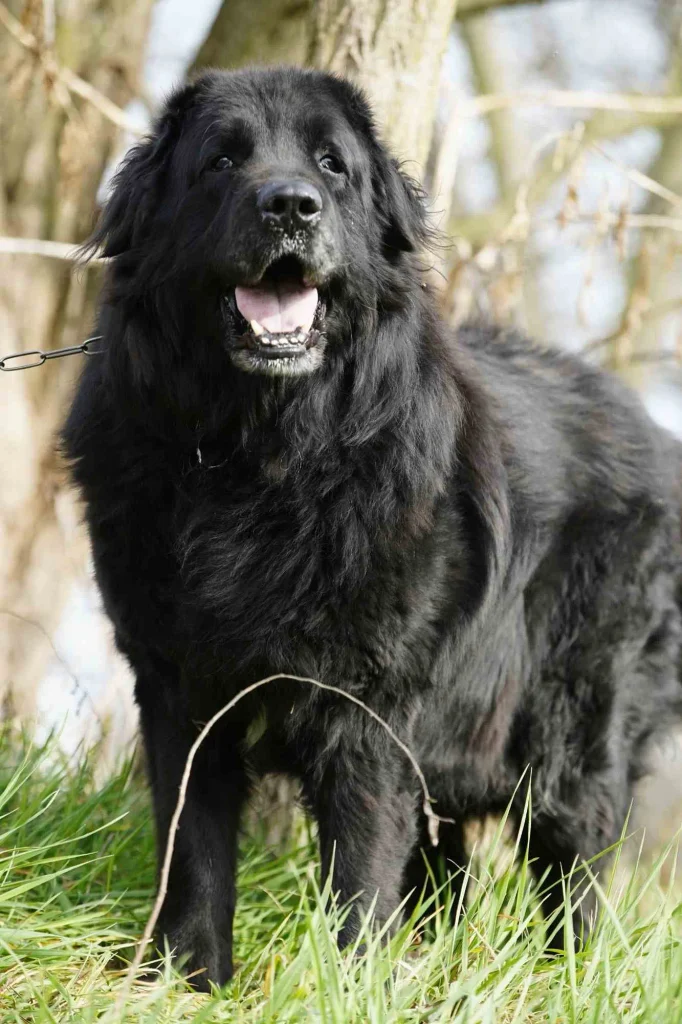
Newfoundlands: These large dogs have thick fur and are closely linked to their water-related jobs. They need room, a routine, and lots of hair brushing.Not only because of their size, their size is from another world! We get everything we need for our daily physical activity. Food, traffic, training, grooming and do not forget the doctor.
8. Great Pyrenees
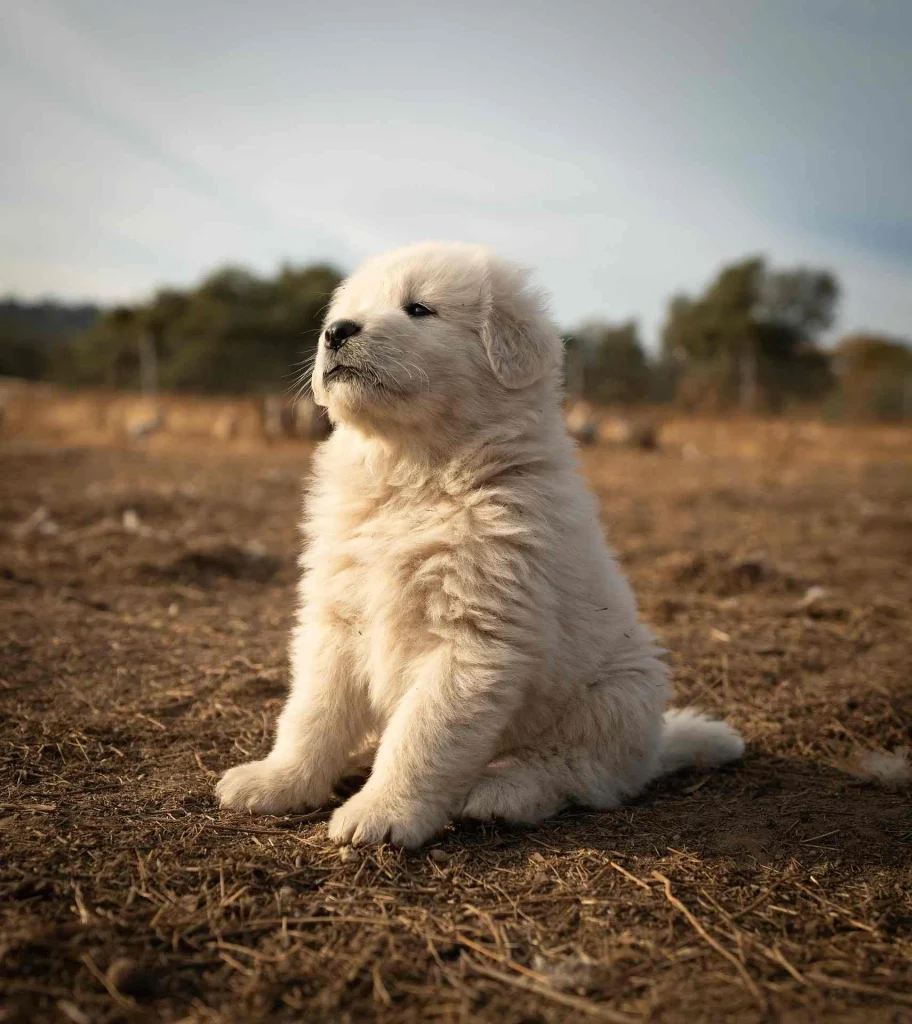
This Is the Great Pyrenees A large guardian breed with a thick, regal coat. There are some independent minds among these big guys, and they tend to be pretty serious guardians. Size and coat suggest that they require more effort than they have a relaxed look. They need a safe home and training.
9. Rough Collie
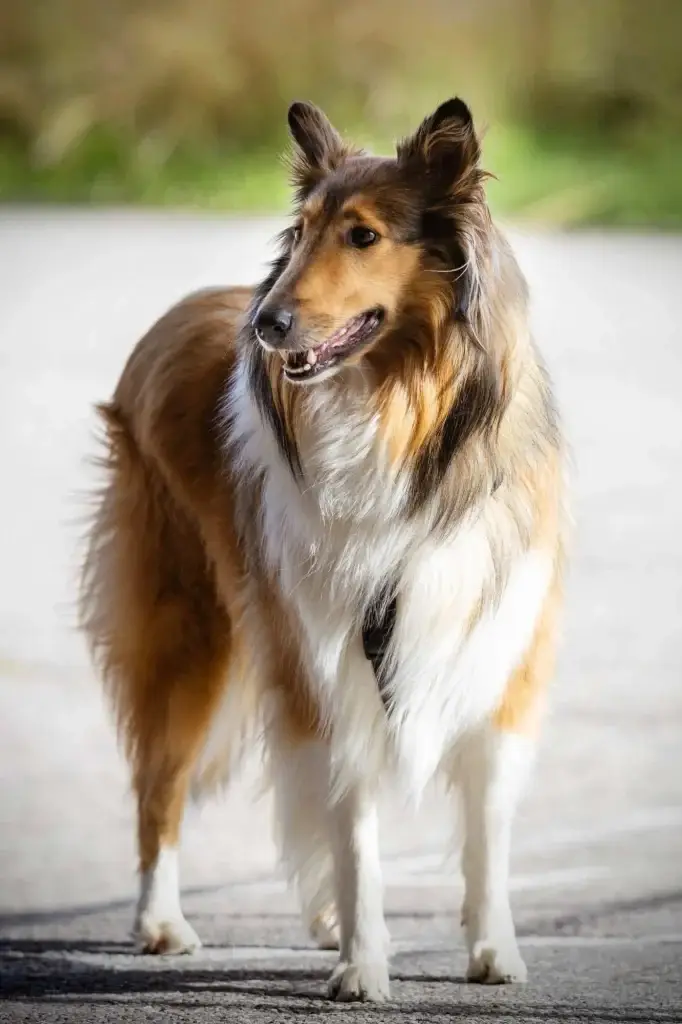
The Rough Collie has long, luxurious coat and elegant looks. This intelligence and working dog breed has a long, luxurious coat and elegant looks. Brush regularly to keep the coat manageable. Exercise and stimulation are important aspects of responsible ownership.
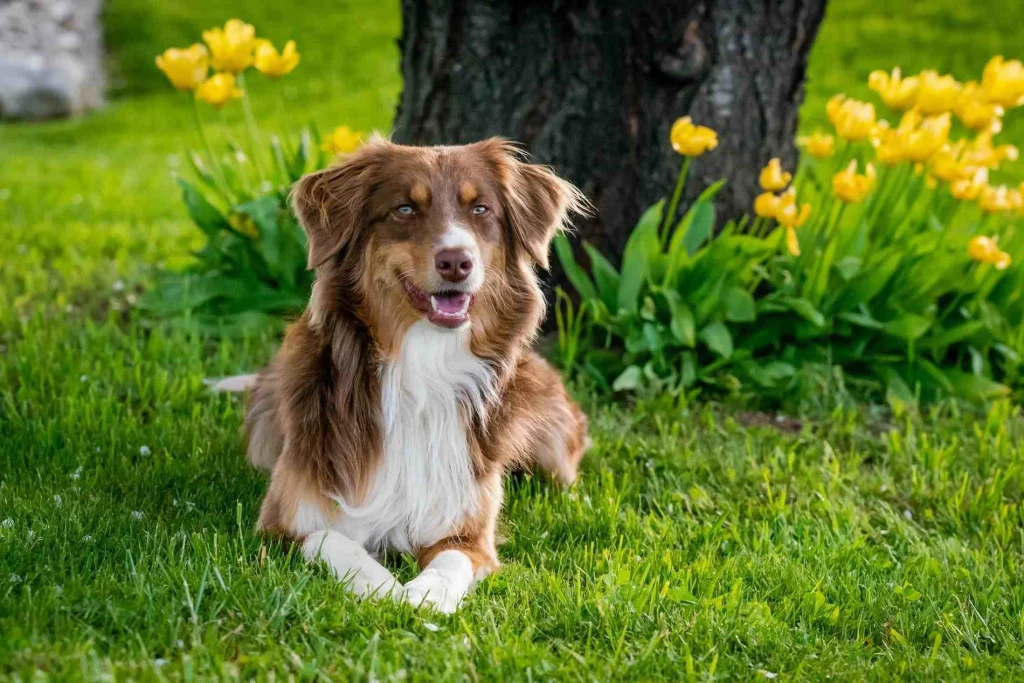
10. Australian Shepherd
The Australian Shepherd is a clever, active breed. While this lively breed is adorable with its fluffy coat, it’s anything but a beautiful breed. The Australian Shepherd requires exercise, training and mental stimulation. This breed might be appropriate for active owners who wish to interact with their dog.
11. Shetland Sheepdog
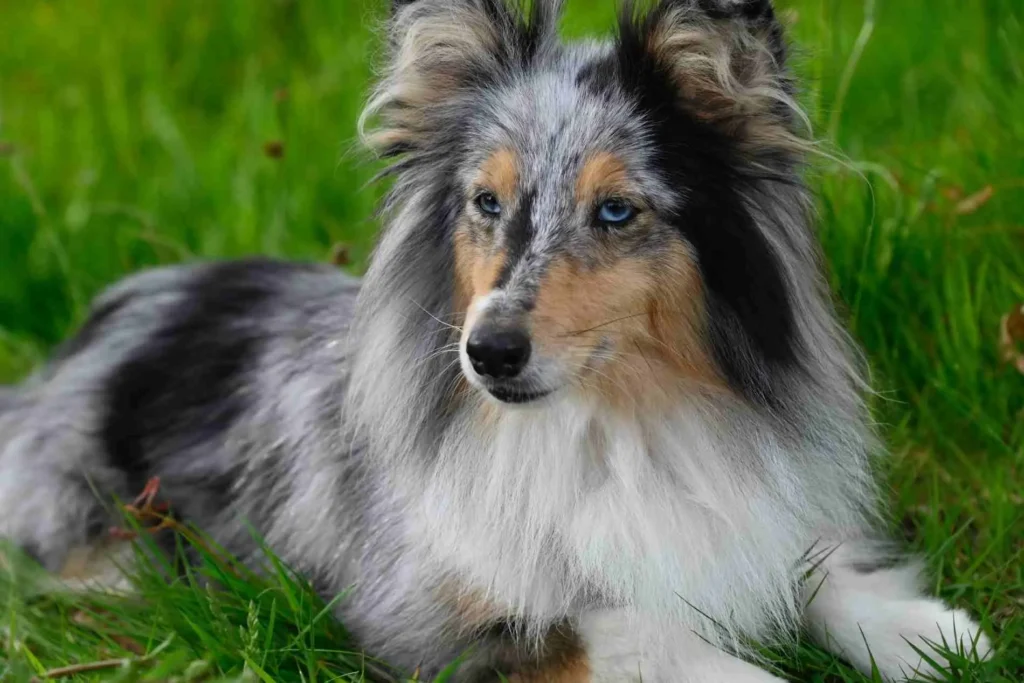
The Sheltie, or Shetland Sheepdog, is smaller than many other herding dogs but still packs a lot of hair. When you own a sheltie, you have a good, intelligent, working dog, complete with the mental activity and very active desire, but not so large as to be unwieldy. Their coats require routine brushing.
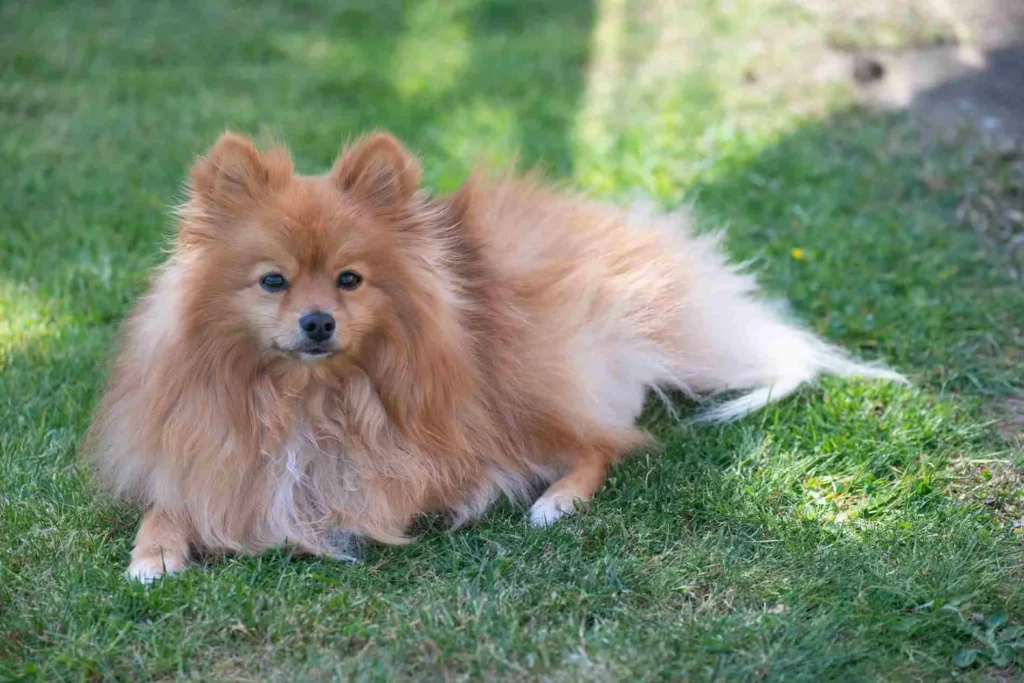
12. Pomeranian
In fact, Pomeranian is a miniature companion dog with a stunningly fluffy hair-coat. While its miniature body appeals to those who live in a smaller abode, being small doesn’t mean it’s less demanding to groom. Brushing regularly, using dental care, exercising, socializing, and training are still essential.
13. Shih Tzu
The long, flowing coat of the Shih Tzu lends itself well to companion-dog living. They can be kept in a short or long-coated state.
While it might seem that Shih Tzus don’t need much exercise compared to working breeds, coat care can be significant.
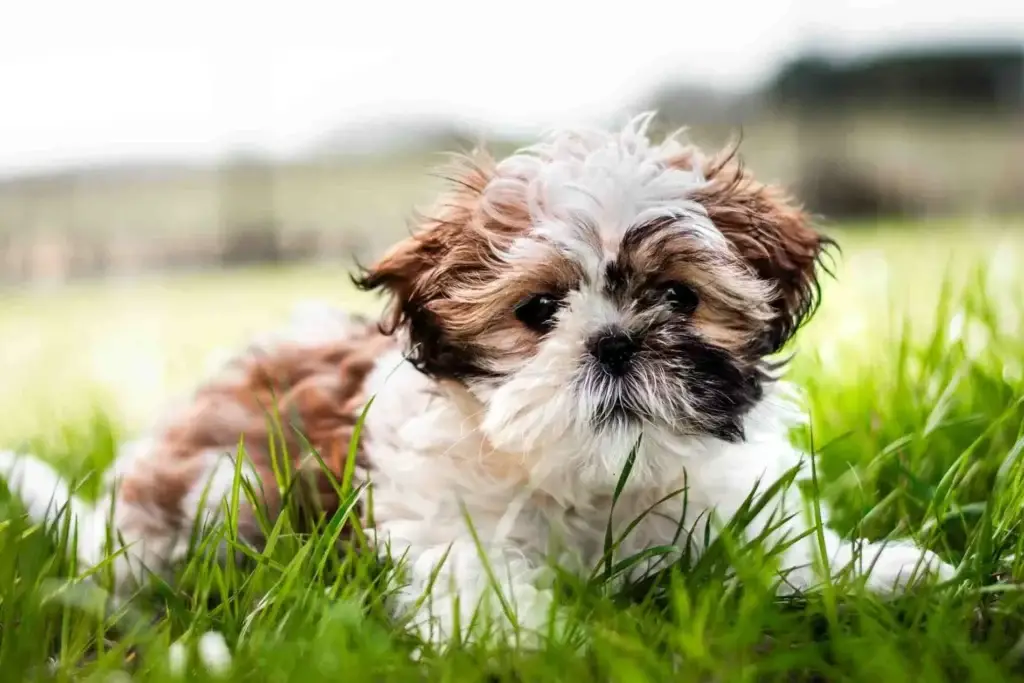
The long, flowing coat of the Shih Tzu lends itself well to companion-dog living. They can be kept in a short or long-coated state.
While it might seem that Shih Tzus don’t need much exercise compared to working breeds, coat care can be significant.
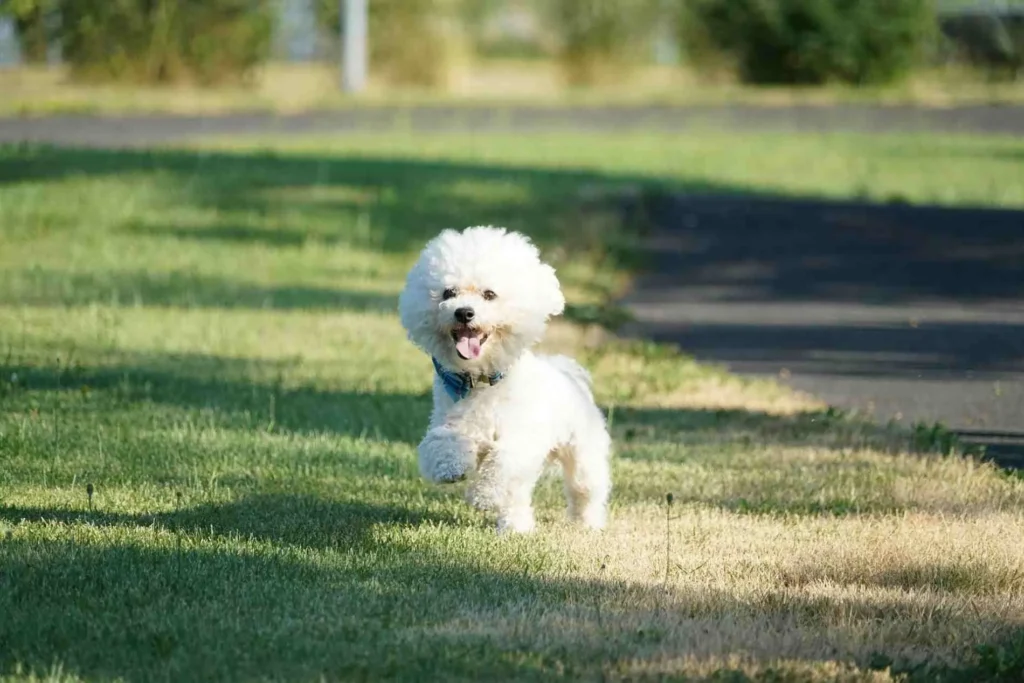
14. Bichon Frise
An adorable small companion dog, with a soft, curly coat, the Bichon Frise is a breed that gets talked about when lower-shedding dog breeds are being considered. This does not necessarily mean no grooming, it is still possible that regular brushing and even an occasional professional grooming would be required.
15. Havanese
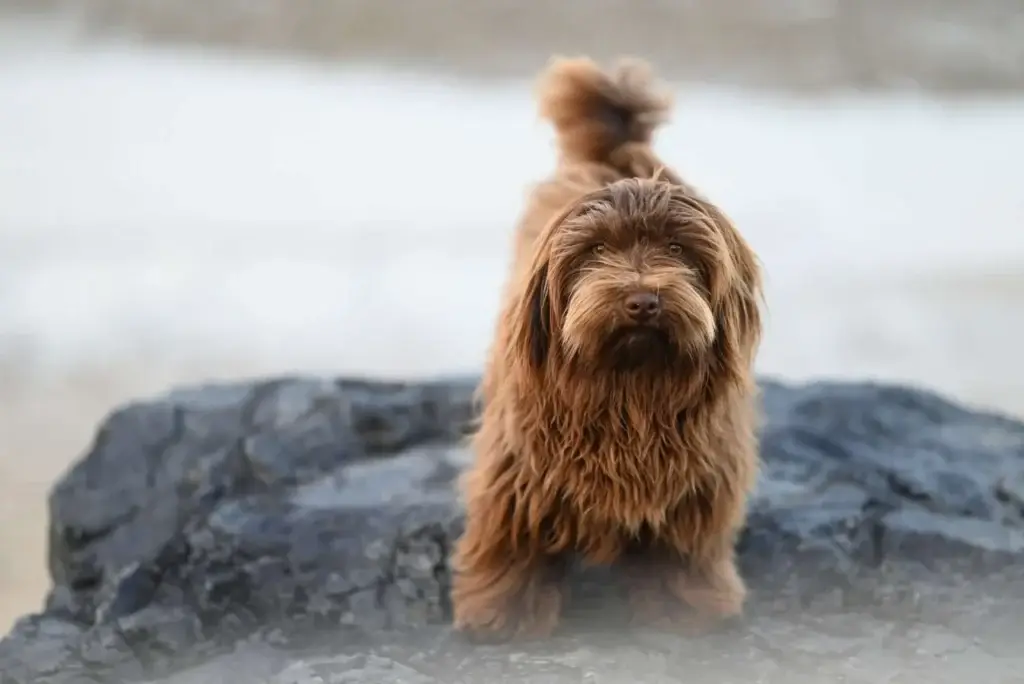
The Havanese has lovely, soft coat and an outgoing companion-dog temperament. This breed could be a good choice for a family or individual seeking a dog on the smaller side as long as the Havanese’s needs for socialization and grooming are compatible with the owner’s lifestyle. Frequent grooming is necessary, particularly if you let the hair grow long.
16. Lhasa Apso
The Lhasa Apso is a small dog with a long coat and can be confident and bold by nature. Originating from Tibet, this is a lively dog that was originally developed to be a companion and guard dog. Owners should be prepared for frequent grooming. Long hair can easily become tangled or matted if it is not combed frequently.
17. Maltese
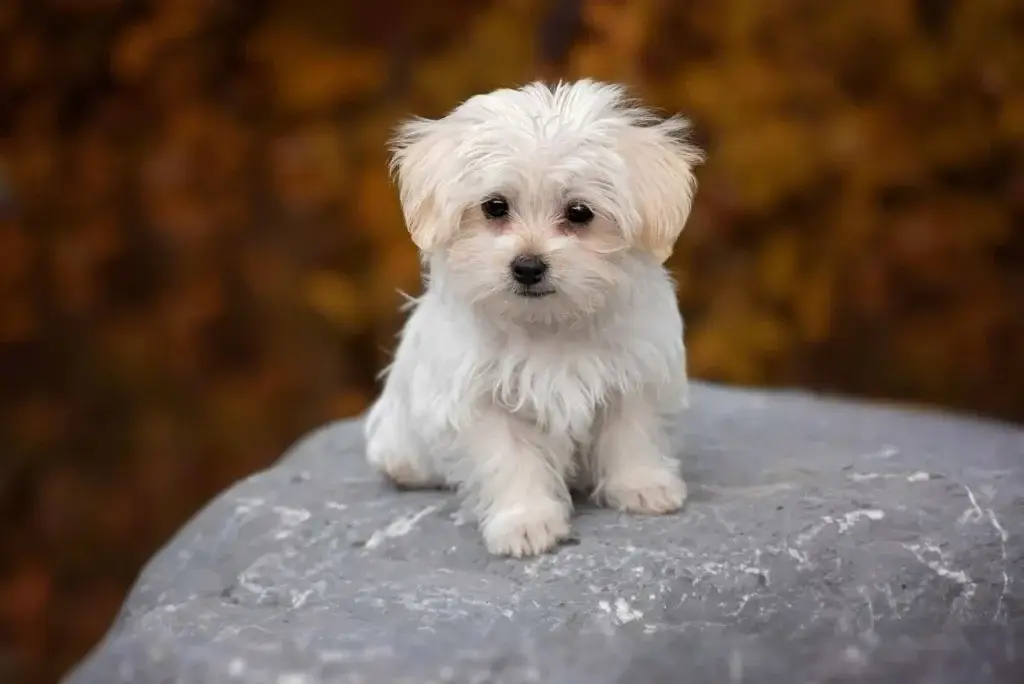
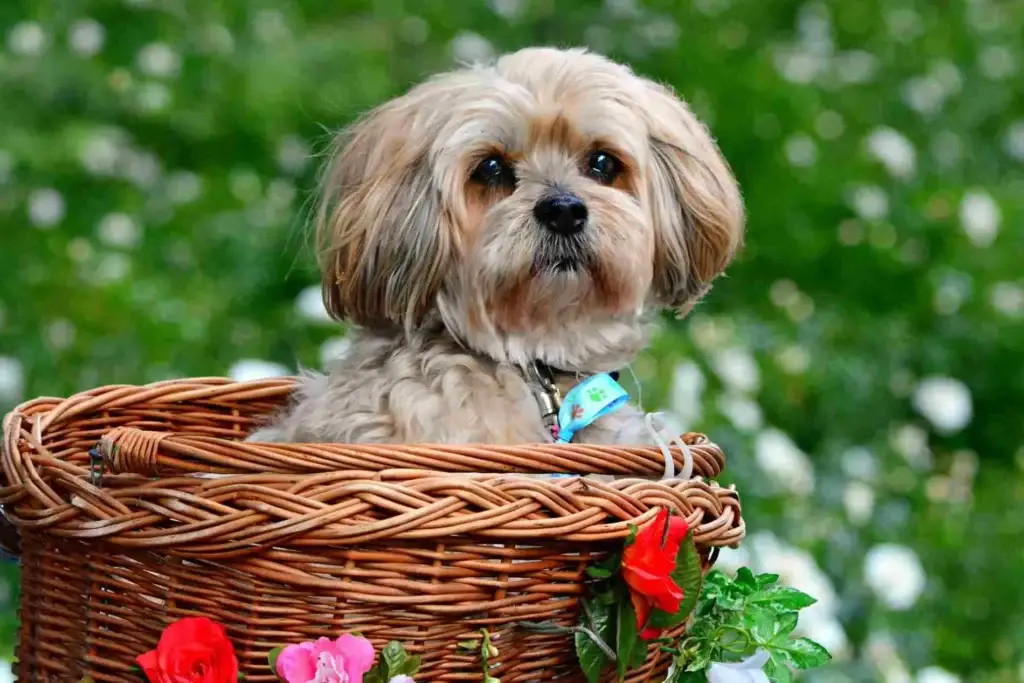
The Maltese is a tiny companion dog with long, silky hair, which can look surprisingly fluffy when well groomed. The hair is long and fine and it needs to be maintained regularly. Training, access to the water, nature and a bit of nutritional knowledge helps the dog.
18. Papillon
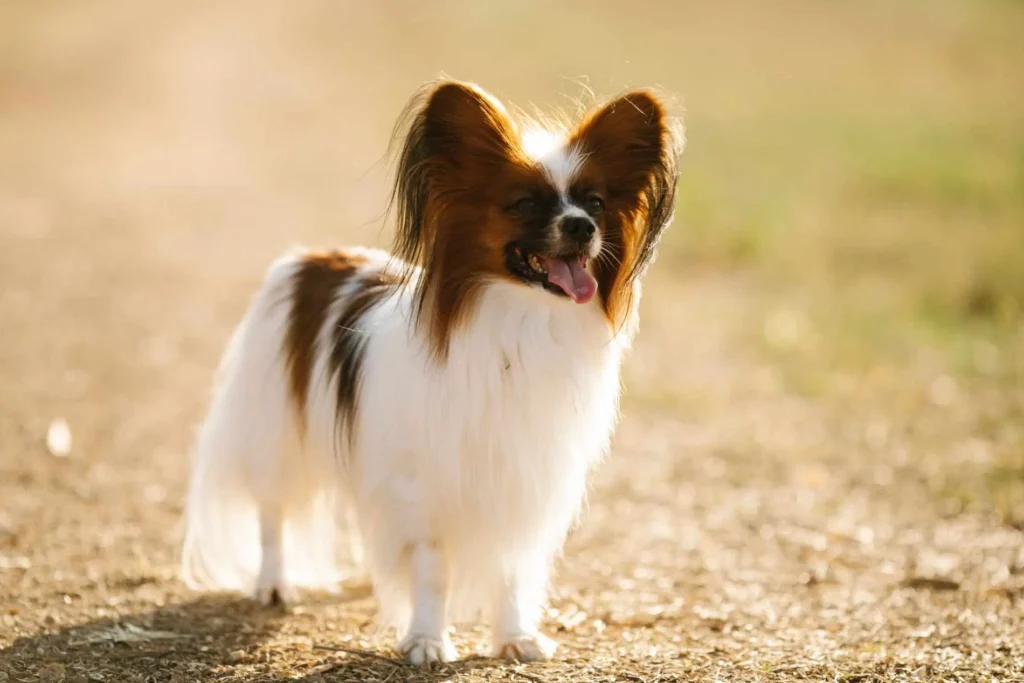
The Papillon is a small dog that packs a lot of energy, smarts, and athleticism into a compact frame. And their ears are feathered in such a way that they look fluffy. This may be a good breed for those who would like to have a small dog, but are still interested in training, play and activity.
19. Tibetan Terrier
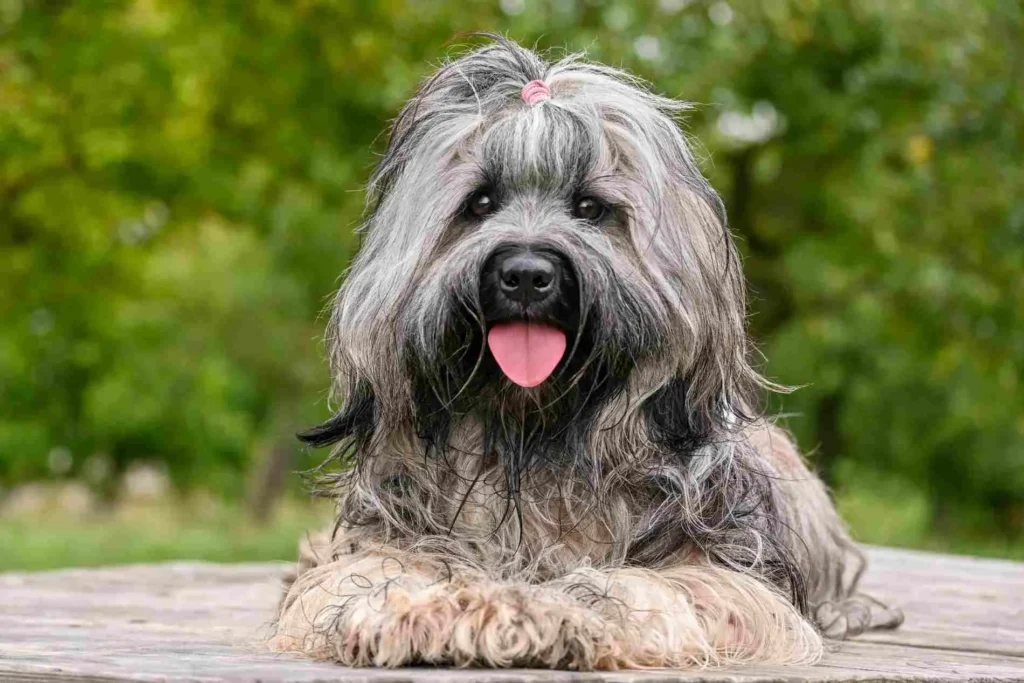
The Tibetan Terrier is long coated and sufficiently thick. The Tibetan Terrier is a size smaller than medium and very full. It is, however, not a terrier as we normally think of. Its coat needs grooming, and its intelligent nature needs to be met with mental challenge and interaction.
20. Keeshond
Features: Soft, double coat with eye-catching markings and a well-rounded neck and body. Brushing can help! This is especially crucial when your dog is losing a lot of hair. Make sure to give regular exercise and companionship.
21. American Eskimo Dog
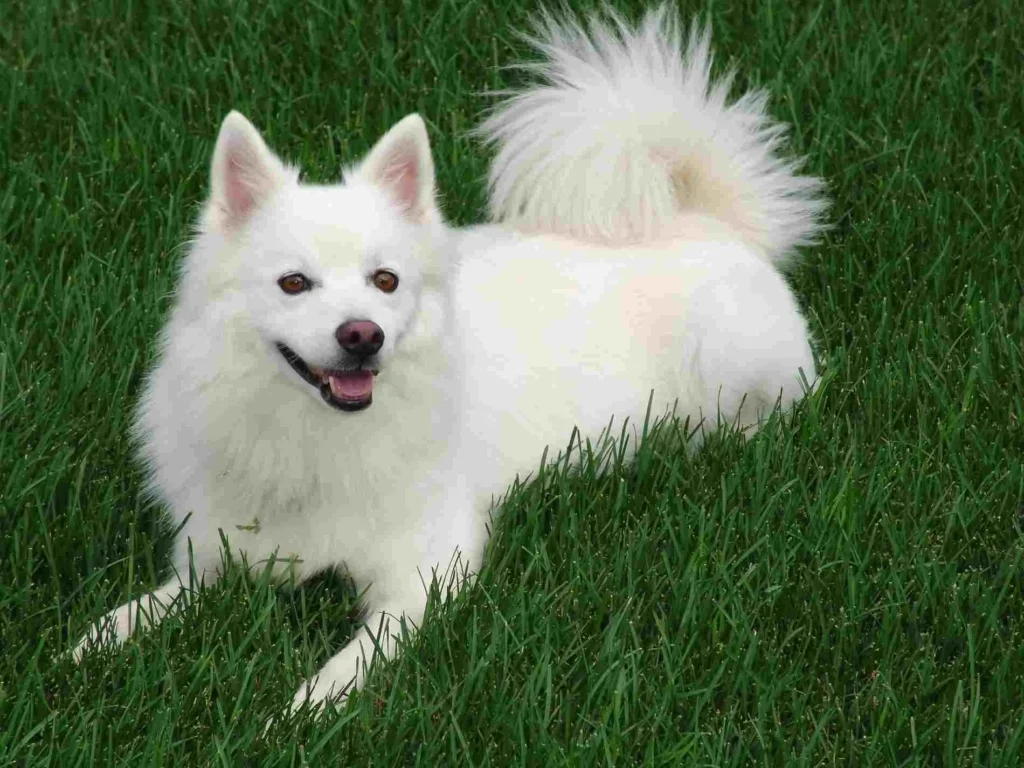
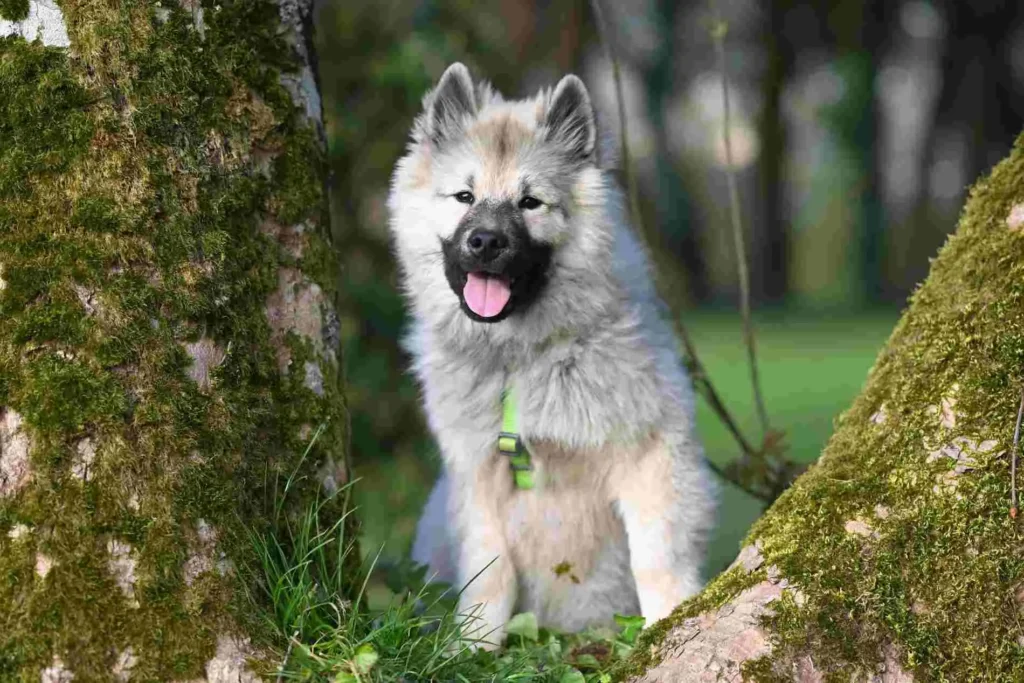
The American Eskimo Dog has a beautiful white coat and is available in different sizes. It is smart, active and a dog that love to learn. Due to its gorgeous coat, this breed sheds to a large degree so owners should be prepared to spend time brushing their pet regularly and having pet hair all over the house.
22. Coton de Tulear
The Coton de Tulear is a small breed of companion dog with soft cotton-like hair that is another type of dog that is low shedding but still requires the maintenance of grooming. Brushing helps to prevent tangles and keeps the coat under control.
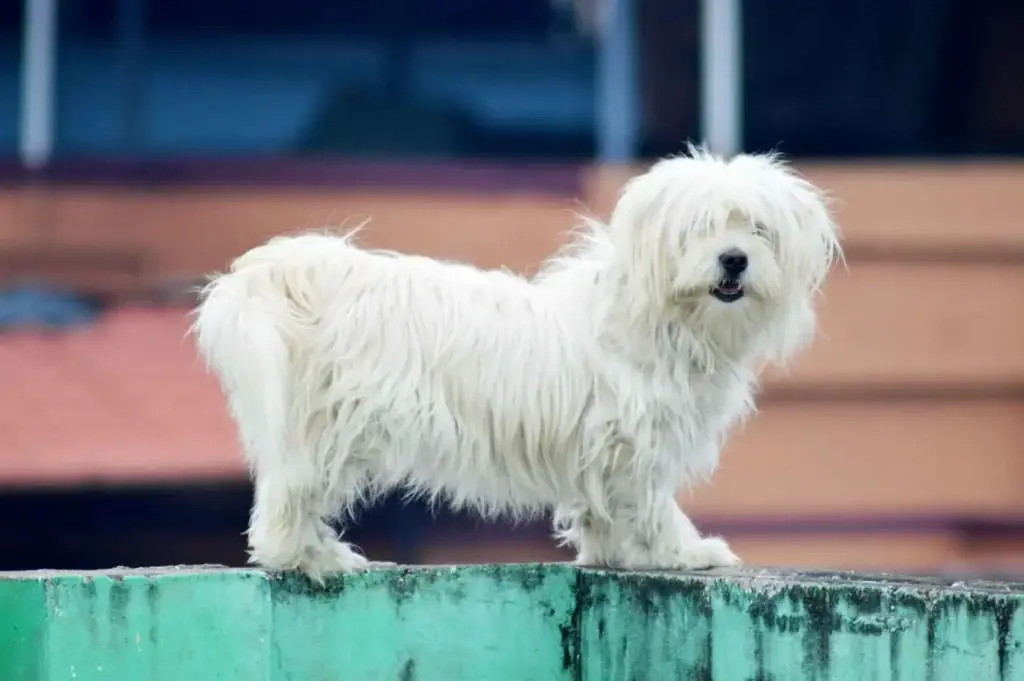
Small Fluffy Dog Breeds
If you don’t have room for a large dog, a small one may be a good choice – but size shouldn’t be the only consideration.
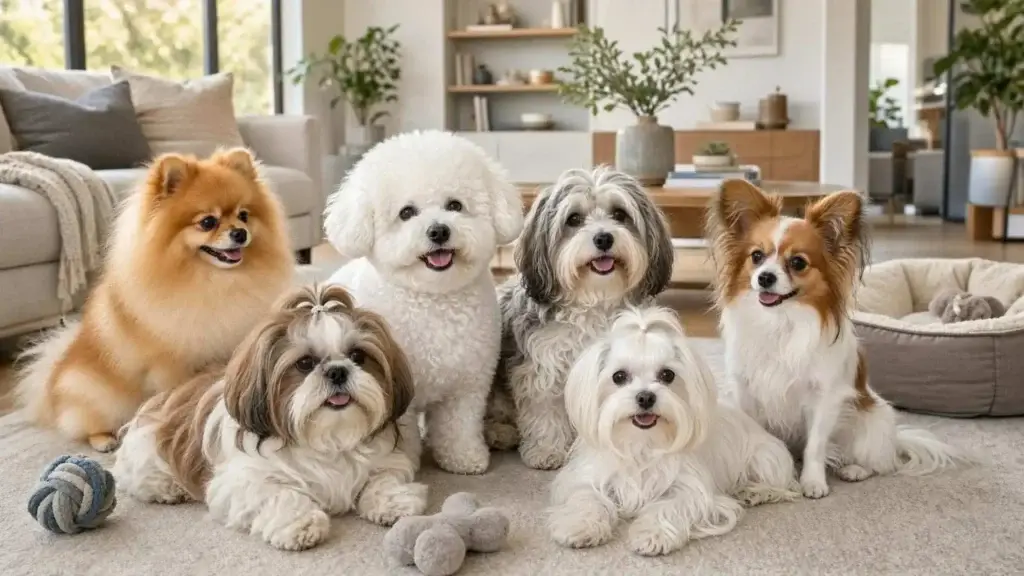
Here are the smaller fluffy dog breeds which include:
- Pomeranian
- Shih Tzu
- Bichon Frise
- Havanese
- Lhasa Apso
- Maltese
- Papillon
- Coton de Tulear
Don’t judge a small dog by its size. Barking, exercise, social needs, grooming, training, and being home alone. A small dog can be boisterous, too.
Big Fluffy Dog Breeds
Large fluffy dogs can be particularly impressive, but the size affects almost every aspect of being with them.
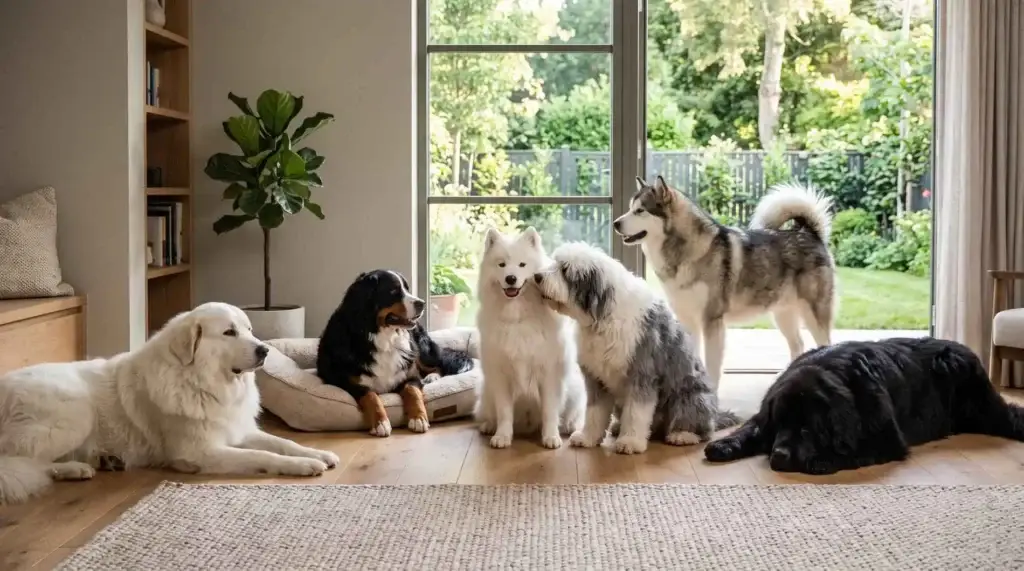
Examples include:
- Samoyed
- Alaskan Malamute
- Newfoundland
- Great Pyrenees
- Bernese Mountain Dog
- Old English Sheepdog
- Chow
Providing room, nutrition, gear, vans, and c transport are all important considerations when caring for a large dog.
They may also have a longer grooming routine just because they have more coat.
Do Fluffy Dogs Shed a Lot?
Most fluffy dogs shed, but how much hair you can expect depends heavily on the breed and individual dog. Certain breeds shed on a seasonal basis while others do not as visibly, but their coat still needs to be brushed frequently. Read up on these canine facts before you bring that adorable new dog home. Shedding and grooming are distinct processes. But if a dog sheds very little, it may need daily brushing, as much of the loose hair will be held in the coat. Or, a dog may be very easy to brush but shed a lot around the home. Don’t just decide a breed is fluffy without knowing the specific dog coat type, especially if you don’t want hair floating around the house.
What are Some of the Less Hairy Dogs?
Some breeds with a very fluffy coat are thought to be less prone to shedding than those double-coated breeds that are considered heavy-shedders.
Examples include:
- Bichon Frise
- Maltese
- Shih Tzu
- Havanese
- Coton de Tulear
- Tibetan Terrier
While “low shedding” is nice to know, it does NOT mean “maintenance free” and no dog should be assumed to be allergen free. Allergy sufferers should spend time with the desired dog before making a decision and speak with a qualified medical professional.
How Much Grooming Do Fluffy Dogs Need?
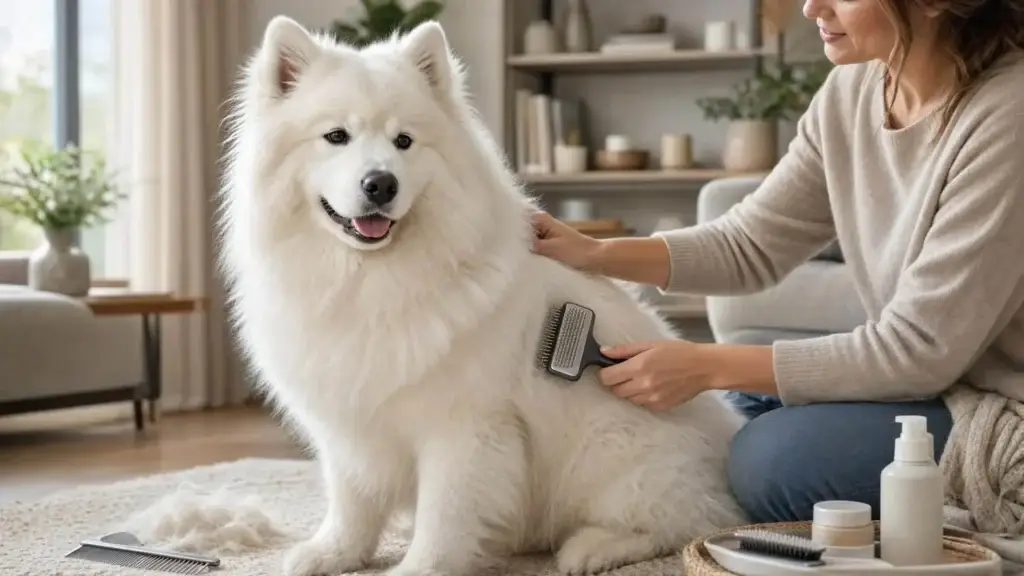
Grooming needs can vary from light to a little demanding.
A typical fluffy-dog routine may include:
Brushing
Regular brushing helps loosen hair and prevents from becoming tangled. How often you brush depends on the coat.
Bathing
Dog bathing should be tailored to the type of coat and individual dog rather than following a one size fits all routine.
Professional grooming
Professional grooming on a regular basis is recommended for some breeds, especially for coats which are long or prone to mats.
Nail care
Nails should be monitored and trimmed appropriately.
Ear care
Dogs with heavily coated or floppy ears require ongoing care.
Dental care
Don’t forget to include brushing and flossing on your daily routine.
The major mistake is to wait until the coat looks dirty to do the grooming. Several fluffy dog breeds are easier to maintain through preventive grooming than to get out of severe tangles or mats.
Are Fluffy Dogs Good for Families?
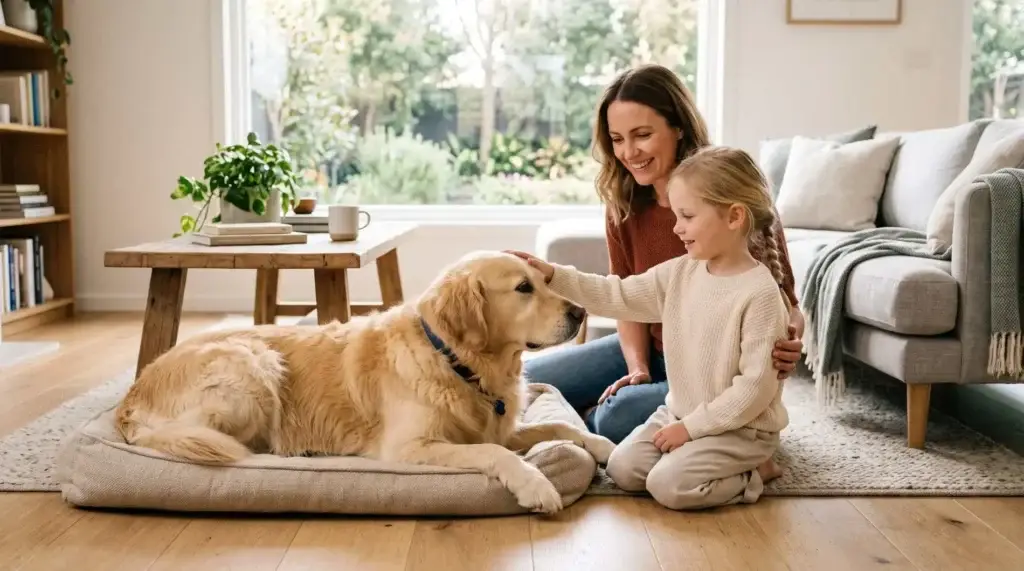
Many of the more chubby dogs can be excellent family dogs – but just because a dog is a certain breed doesn’t mean it’ll be right for your family.
Families should consider:
- The dog’s energy level
- Size
- Training requirements
- Socialization
- Grooming workload
- Interaction with children
- Supervision requirements
- Other pets in the home
Educate children about how to behave respectfully around dogs and never leave a small child alone with a dog. Don’t select a breed just because it appears friendly; consider is the breed’s temperament and exercise needs are compatible with your household.
Can Fluffy Dogs Live in Apartments?
While some smaller fluffy dogs may be suitable for apartments, it is not only body size that determines an apartment friendly dog.
Consider:
- Daily exercise
- Mental stimulation
- Barking
- Toilet routine
- Time spent alone
- Access to outdoor areas
- Noise sensitivity
- Grooming space
A little dog that has a lot of pep may need a lot more exercise than a big couch potato. So the correct question is not merely ‘Which fluffy dog is the smallest?’, but ‘What sort of dog could I sensibly care for?’
Can Fluffy Dogs Handle Hot Weather?
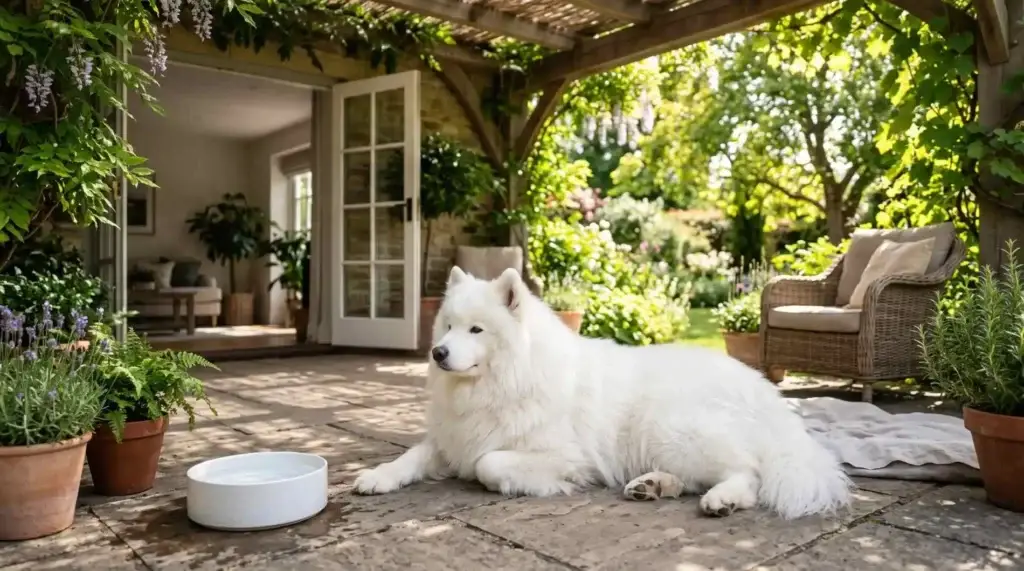
This is particularly important when studying fluffy dogs. Having a thick coat does not mean that a dog should be shaved. The structure of coat care can be different depending on the dog’s breed, and the owner should consult a groomer.
During hot weather:
- Provide plenty of fresh water.
- Take the canine to a shaded region or to a cooler area within the house.
- Try not to do intense activity during the hot period of the day.
- Watch for signs of overheating.
- Don’t leave a dog alone in a hot car.
- Ask a veterinarian about breed-specific heat risks.
Weather tolerance is something owners residing in hot weather should think about when choosing fluffy dog breeds.
How to Choose the Right Fluffy Dog
Prior to selecting a breed ask yourself:
1. How much grooming can I possibly do?
You will have frustrations with a high-maintenance coat if you do not have much time to brush.
2. How much exercise can I provide?
The majority of active breeds are also highly energetic breeds.
3. How much shedding can I tolerate?
Imagine hair on the furniture, on your clothes, on the floor, on the bedding.
4. Am I in a hot environment?
Climate needs to be included in your decision – not an afterthought.
5. Children or other pets.
Research temperament, socialization, and supervision requirements.
6. Am I a first-time dog owner?
Certain breeds may need more training, exercise, or grooming skills.
7. What is my long-term budget?
The real cost of owning a dog is much more than food, grooming, training, and equipment, although they are a part of it, along with routine vet visits and those surprise expenditures. The best choice may not be the biggest or the smallest dog. Instead, the best choice is the one that can meet the needs of your household and whose care you can give consistently.
Final Thoughts
A fluffy coat is undeniably cute, but responsible dog ownership is about more than just looks. Each breed has a set of grooming, exercise, training, social, and environmental requirements. What is the best way to compare fluffy breeds of dogs? Look at the whole picture. Small, companioner breeds of dogs are manageable for some homes, but need to be groomed carefully. Large, fluffy working breeds are magnificent and loving, but need a lot of exercise and space.
Compare the dog’s coat, energy level, temperament, grooming requirements, and lifestyle needs before making a choice. If you can match a dog’s appearance and practical care needs to your family, then you have a better chance of making a loving and happy connection with your dog.
Frequently Asked Questions
So is it a lower shedder?
No, not always. It doesn't mean they are not high-maintenance or that they need lots of grooming.
Are fluffy dogs high maintenance?
Some are. It also depends on coat type, whether and how often you groom, your activity level, your dog's training, and general health care.
Are fluffy dogs good for first-time owners?
Some people might agree, but this would be impossible. Breed selection may be based on grooming, exercise needs, training requirements, temperament, size, and suitability to an owner's lifestyle.
Can fluffy dogs live in hot climates?
Some can cope with warmer temperatures, but owners must be cautious about heat. Breed features, weather conditions, cooling options, time of day for exercising, and a dog's state of health all factor in.
My fluffy dog needs to be brushed often?
Generally, it depends on breed and coat type. Some may require more frequent brushing, and others can be brushed less often. Follow the recommended guidelines for the specific breed and always keep an eye out for mats or bunches in the coat.
Are fluffy dogs hypoallergenic?
No dog should be considered hypoallergenic. Allergen levels may vary by dog and person.
What should I consider besides appearance?
Think about the size, energy, exercise, and temperament, shedding, grooming, and the climate in your area. Consider training, sleeping area, children, other animals, and how much time you have.
One thought on “Fluffy Dog Breeds: 22 Amazing Dogs, Grooming & Care Facts”